Growing Kiwi for Taranaki
Taranaki Kōhanga Kiwi at Rotokare (TKKR)

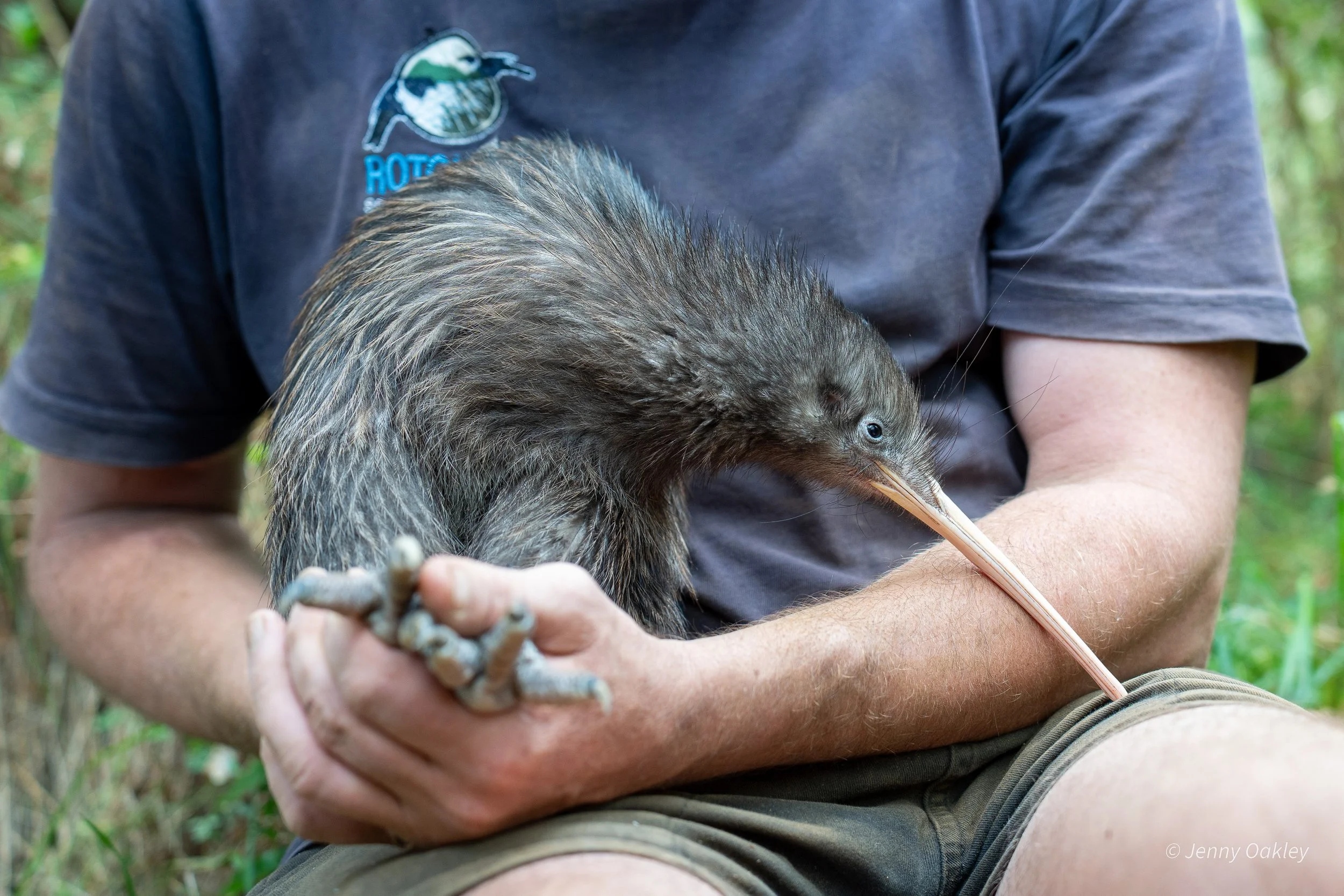
In 2012, Taranaki Kiwi Trust (TKT) and Rotokare Scenic Reserve Trust (RSRT) pooled their resources to form the Taranaki Kōhanga Kiwi at Rotokare (TKKR) project. The partnership’s goal was to establish a genetically diverse breeding population of kiwi that could help repopulate Taranaki and the wider natural range of Western Brown Kiwi. The Rotokare Sanctuary became the home for this kiwi population. The pest-proof fence surrounding the 230ha site ensured the kiwi would be safe from predators, and the forested hill-country catchment, which includes an extensive wetland environment and a 17.8ha natural lake, was the perfect habitat. TKT had a rich knowledge of kiwi in Taranaki and provided important kiwi expertise and experience, so by joining forces, the two trusts pooled their kiwi handlers and wildlife management skills to great effect.
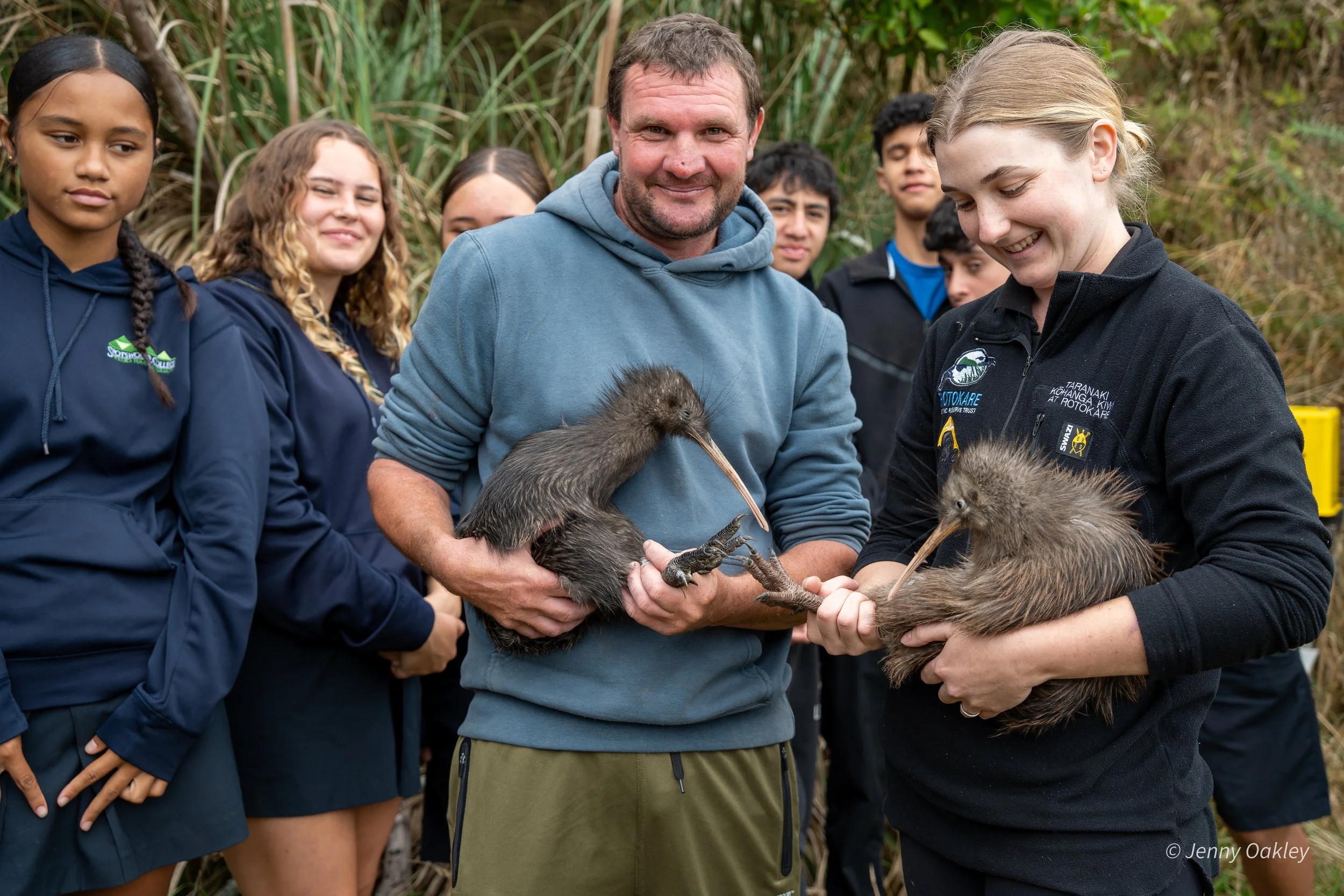
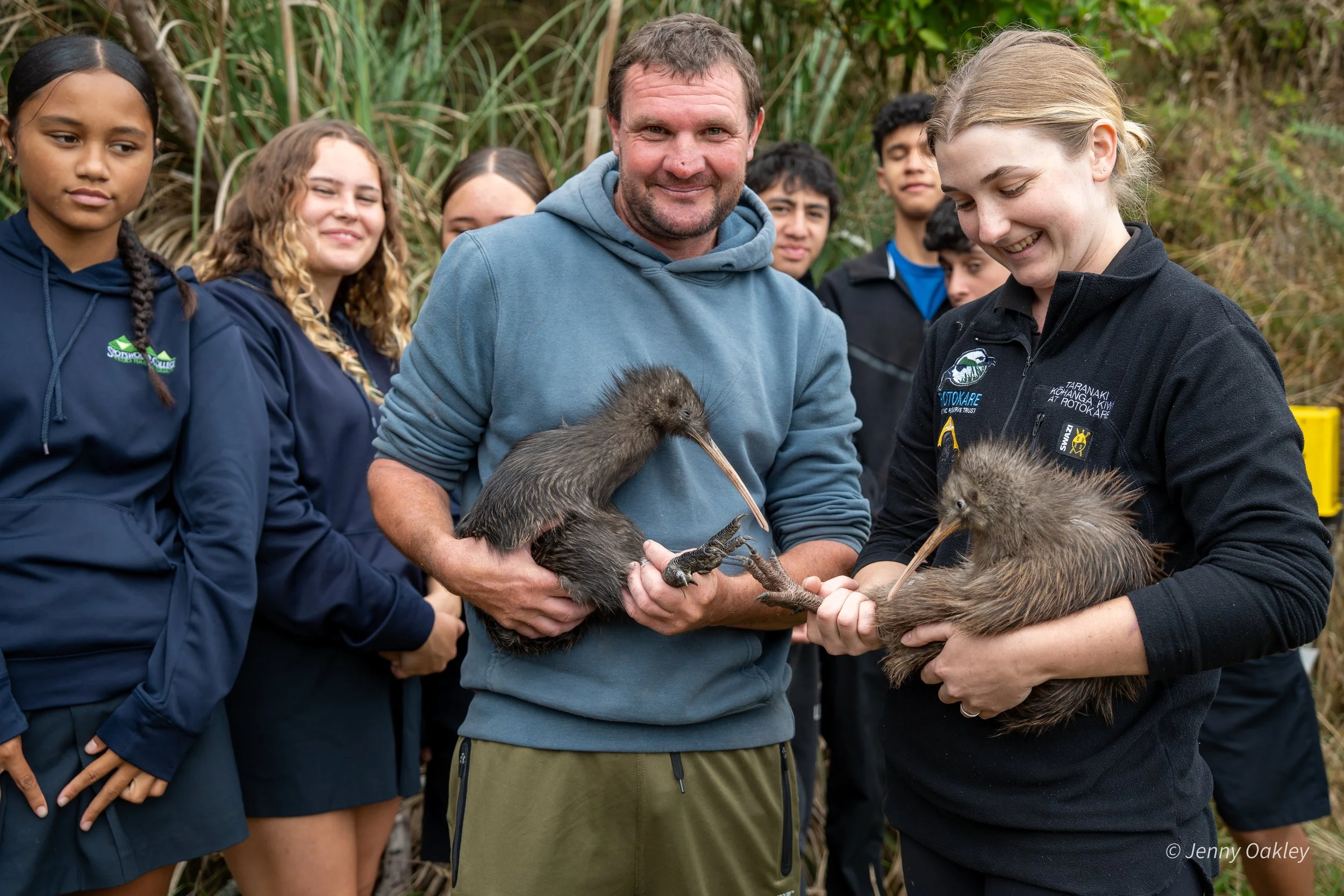
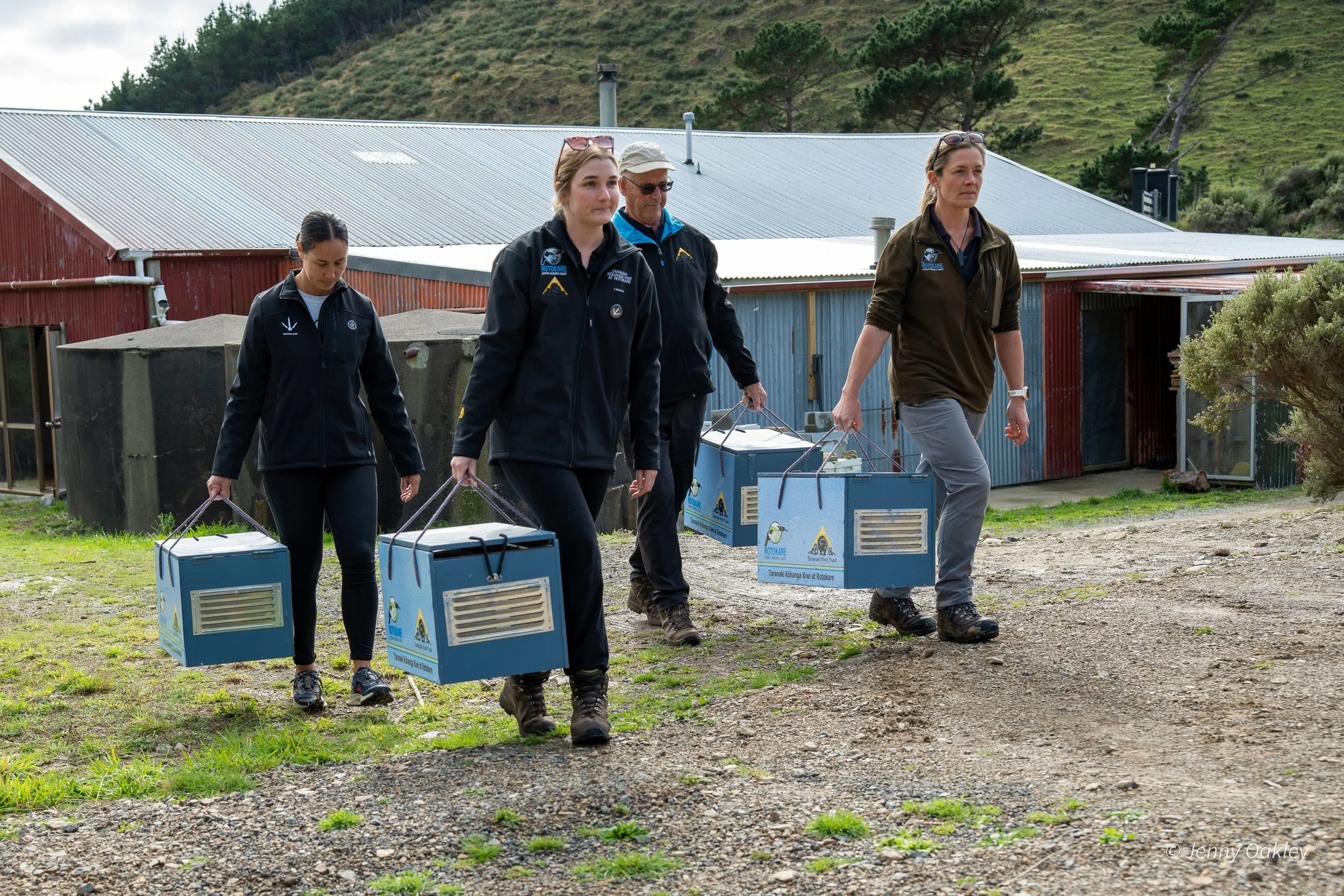
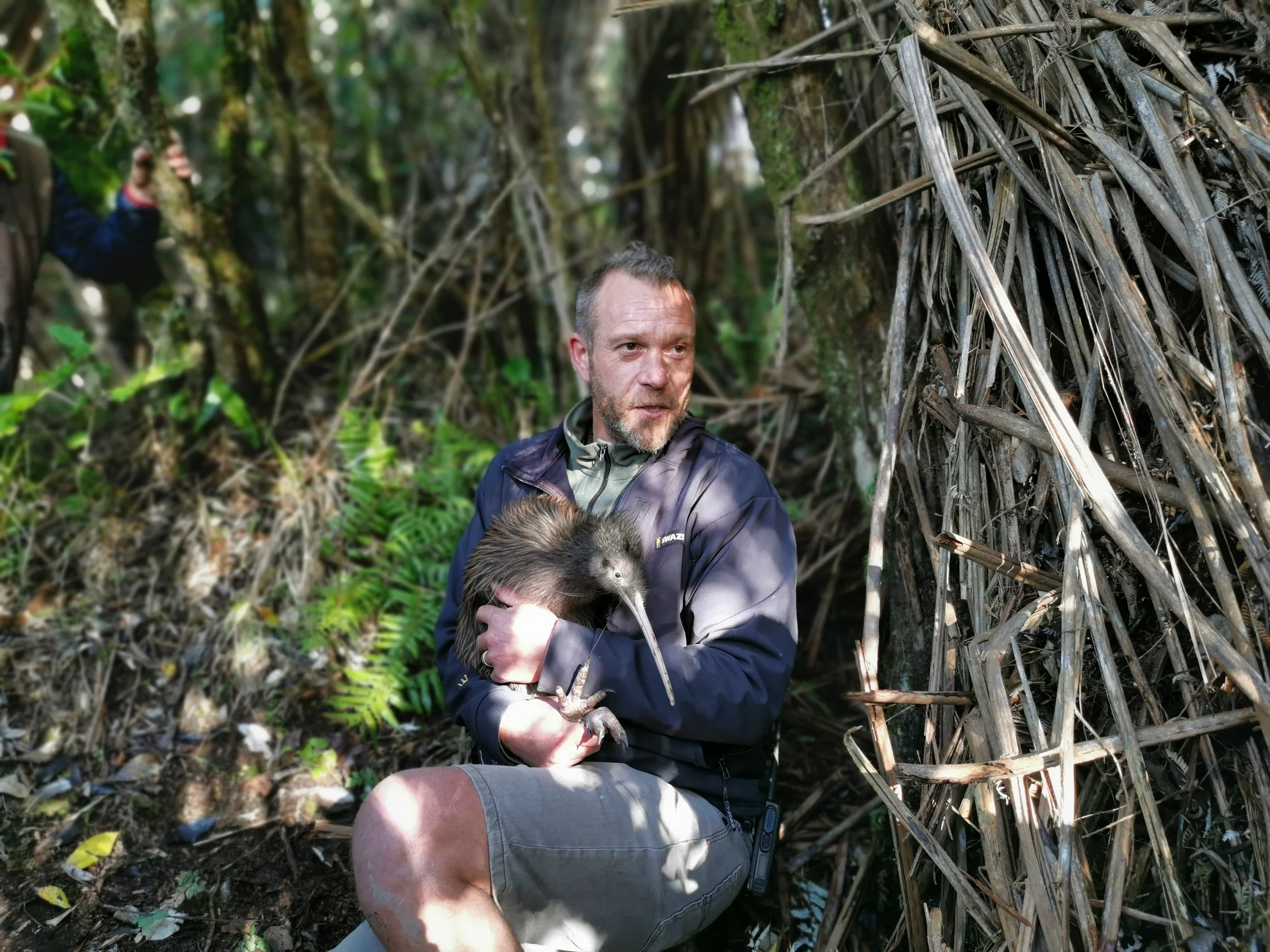
Since 2012, 40 founder kiwi have been released into the kōhanga, most of which came from around Taranaki via Operation Nest Egg. The success of the breeding programme is evident – kiwi are abundant within the Kōhanga, so great in fact that the estimated population is now thought to be over 300, and the original goal to export kiwi out of the kōhanga has been realised.
Translocations From Rotokare to:
-
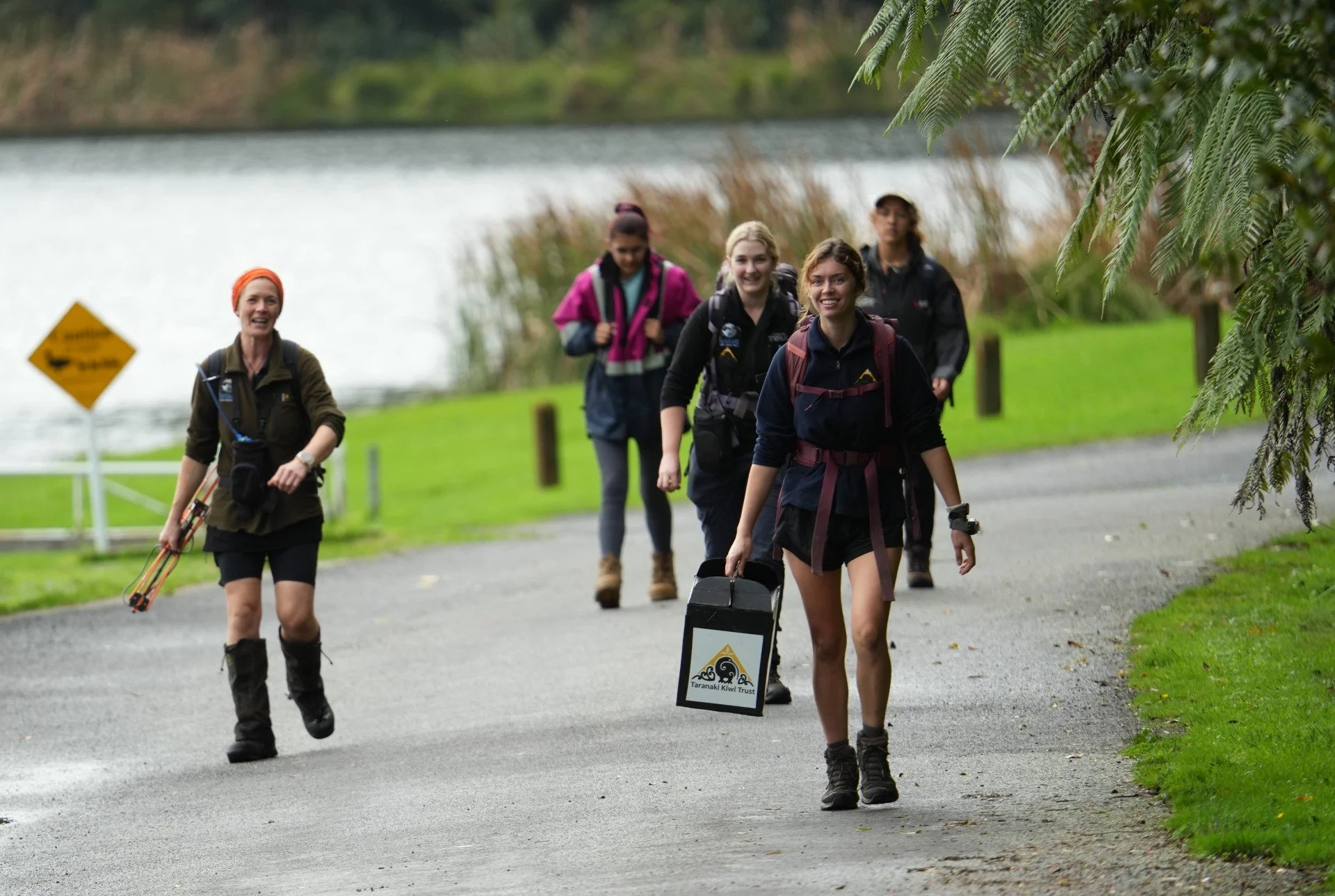
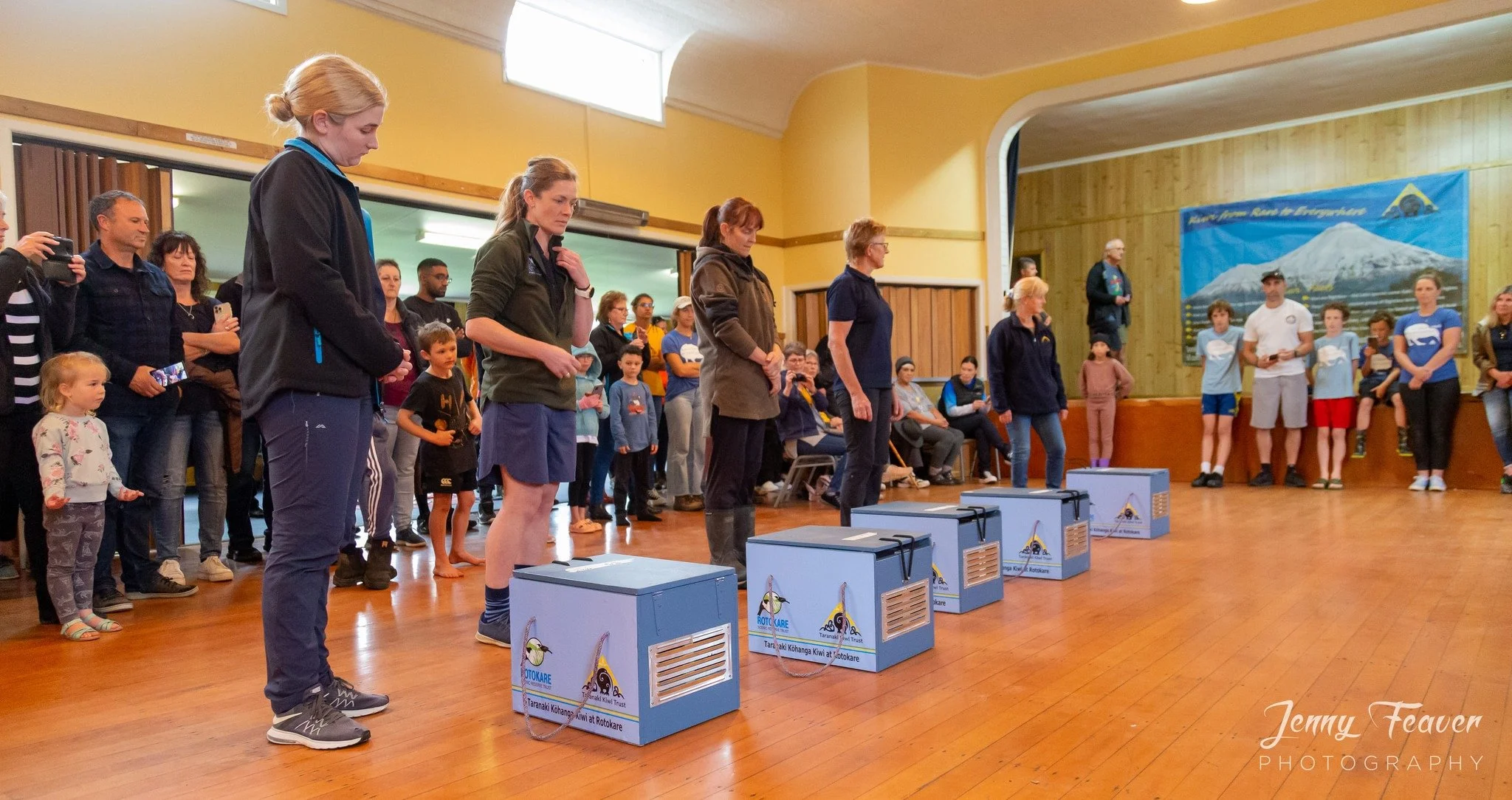
In June 2020 the first 10 kiwi were translocated from the Kōhanga. TKKR in partnership with South Taranaki Forest and Bird released birds into a site known as the Totara Block (a privately owned site near the Kōhanga). The property has been managed by STF&B since the early 70’s and is trapped extensively, as is some 4500 ha across adjacent properties as part of the RSRT halo project. A safe environment for re-establishing a kiwi population has been decades in the making and sets the benchmark and a new direction for kiwi conservation in Taranaki.
Tōtara Block
43 kiwi
Taranaki Maunga
59 kiwi
-
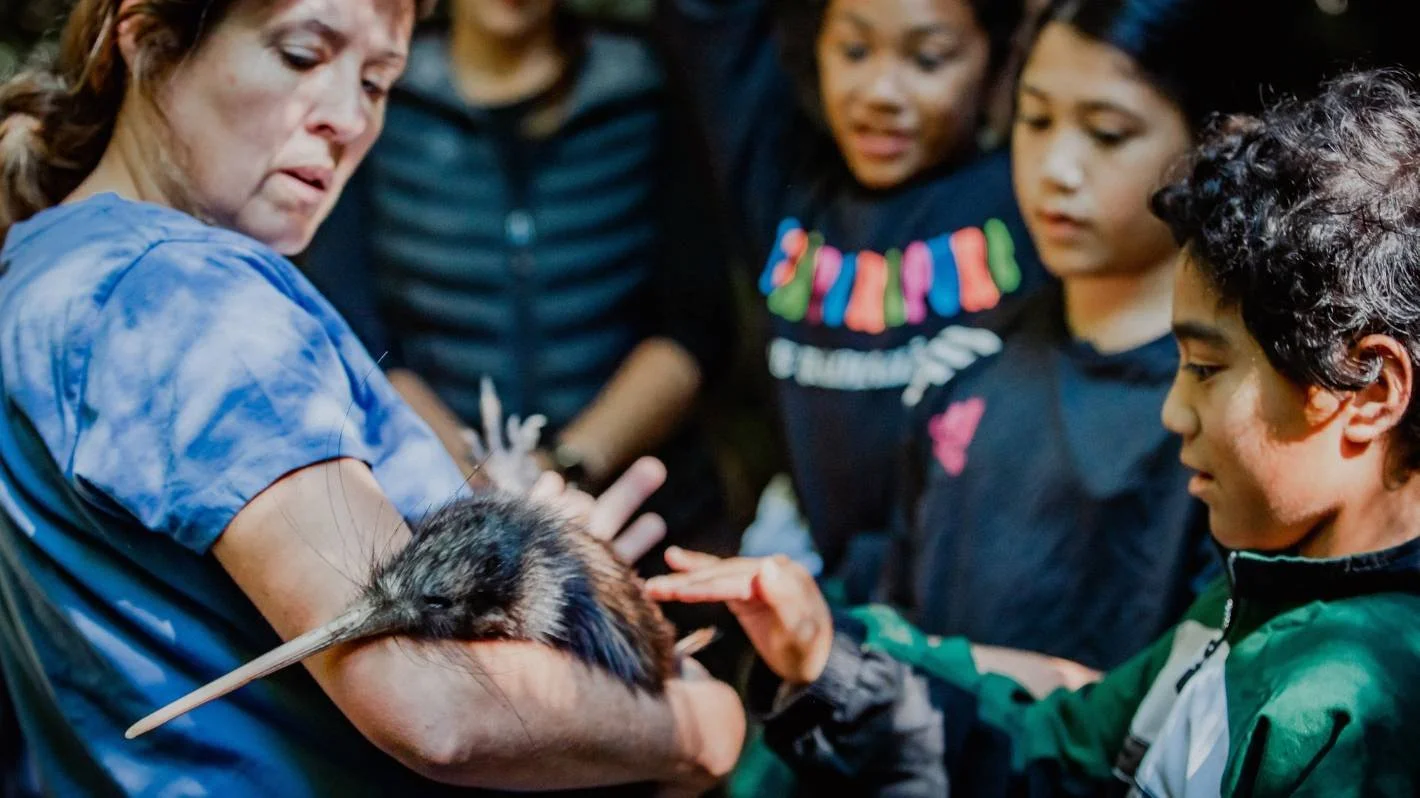
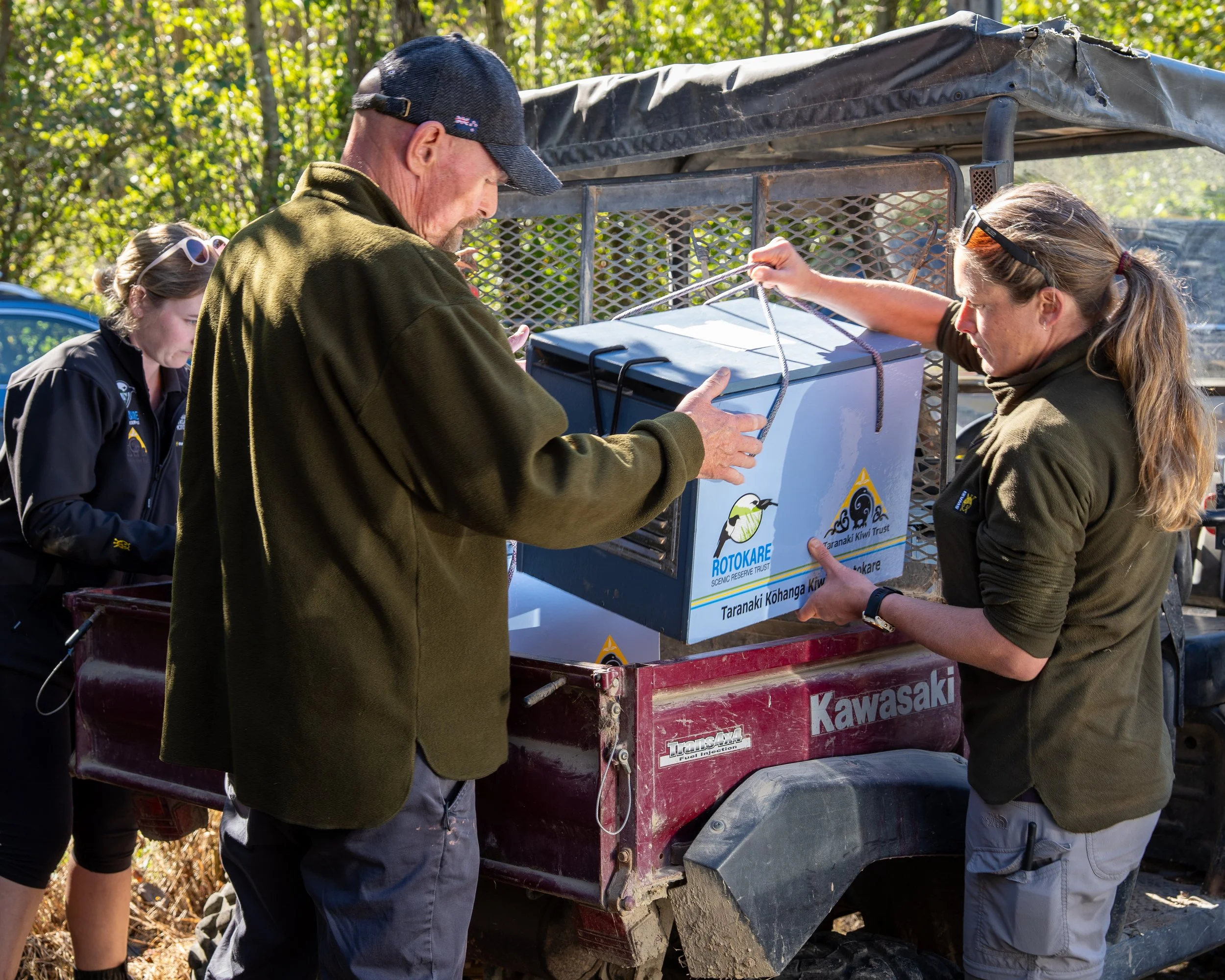
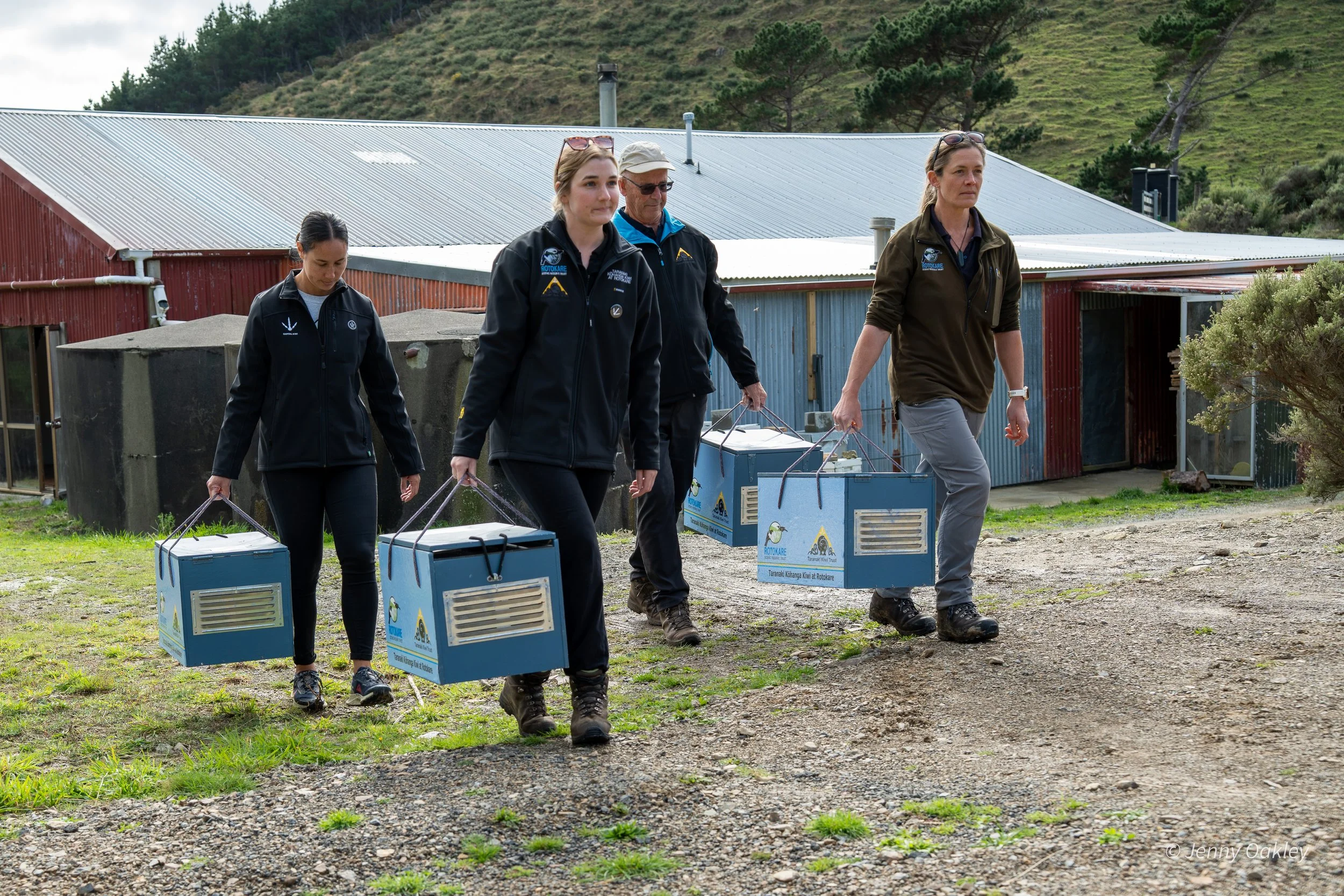
The Capital Kiwi Project has a goal of restoring a large-scale kiwi population on Wellington’s back doorstep. In 2024 the project included 4,600 traps over 23,455ha signaling that it is well on its way to achieving its goal. Since 2024, Rotokare’s Kōhanga has been translocated some of our precious manu to the area. Rotokare’s Kiwi will help to increase genetic diversity of the kiwi population and allows us to continue to build the North Island Western Brown Kiwi population all across the motu.
Omoana
59 kiwi
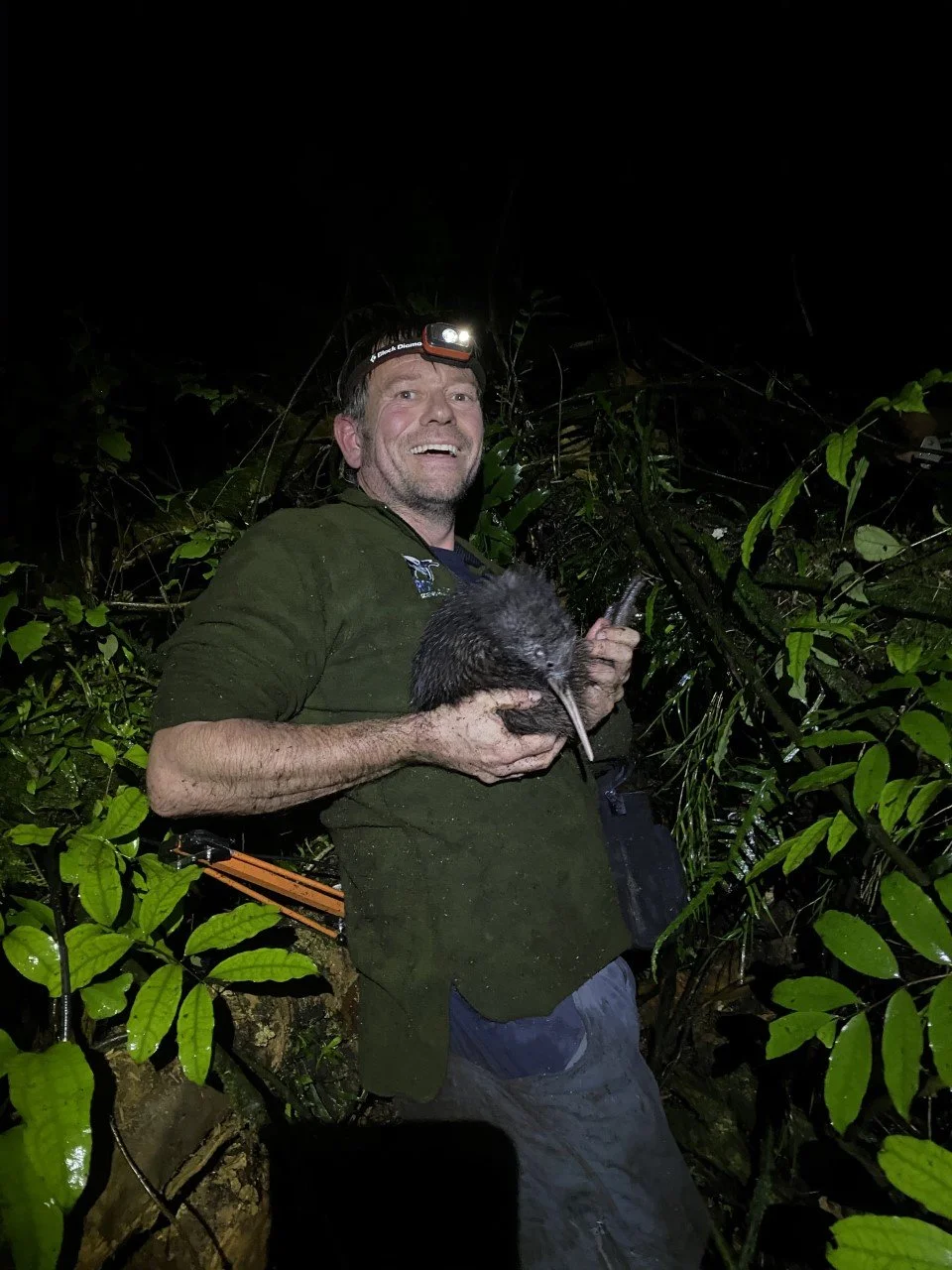
Maungatautari
30 kiwi
-
Taranaki Mounga Collaboration aims for ecological restoration of the mounga.
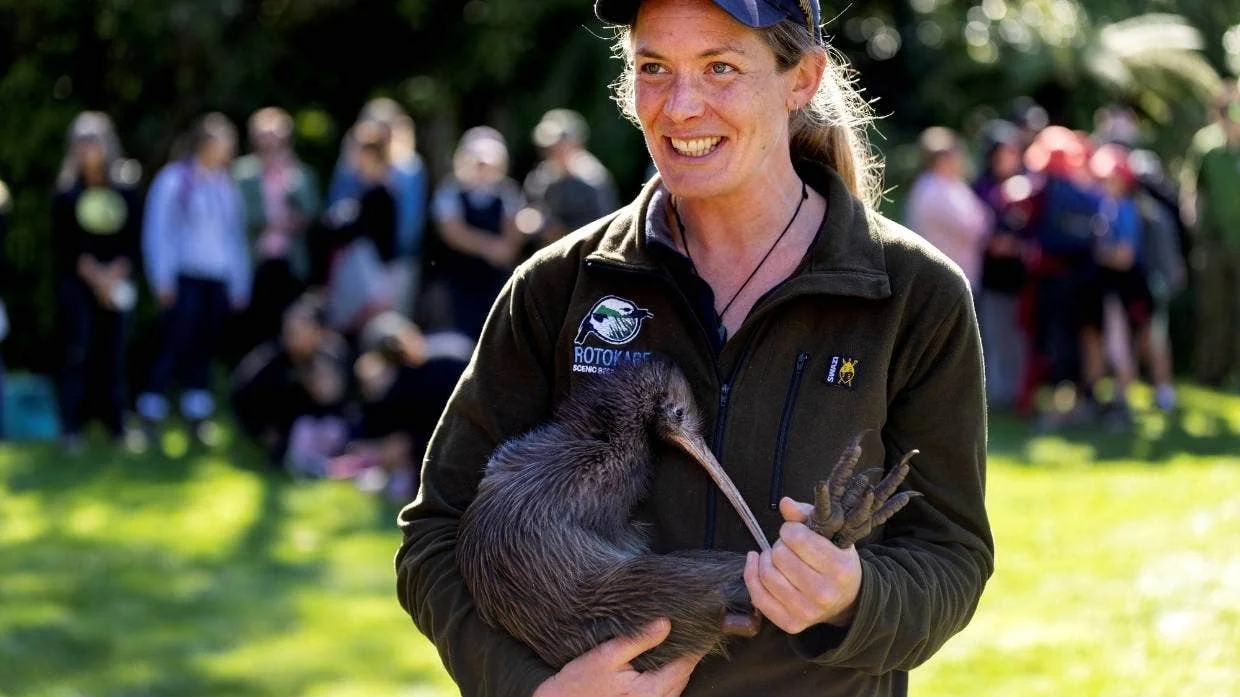
The Kaitake Conservation Trust's focus is on protecting the area from mammalian pests. The Kōhanga first translocated birds to the Kaitake ranges in 2021.
Kaitake Ranges
31 kiwi
Capital Kiwi Project
42 kiwi
How do we do this?
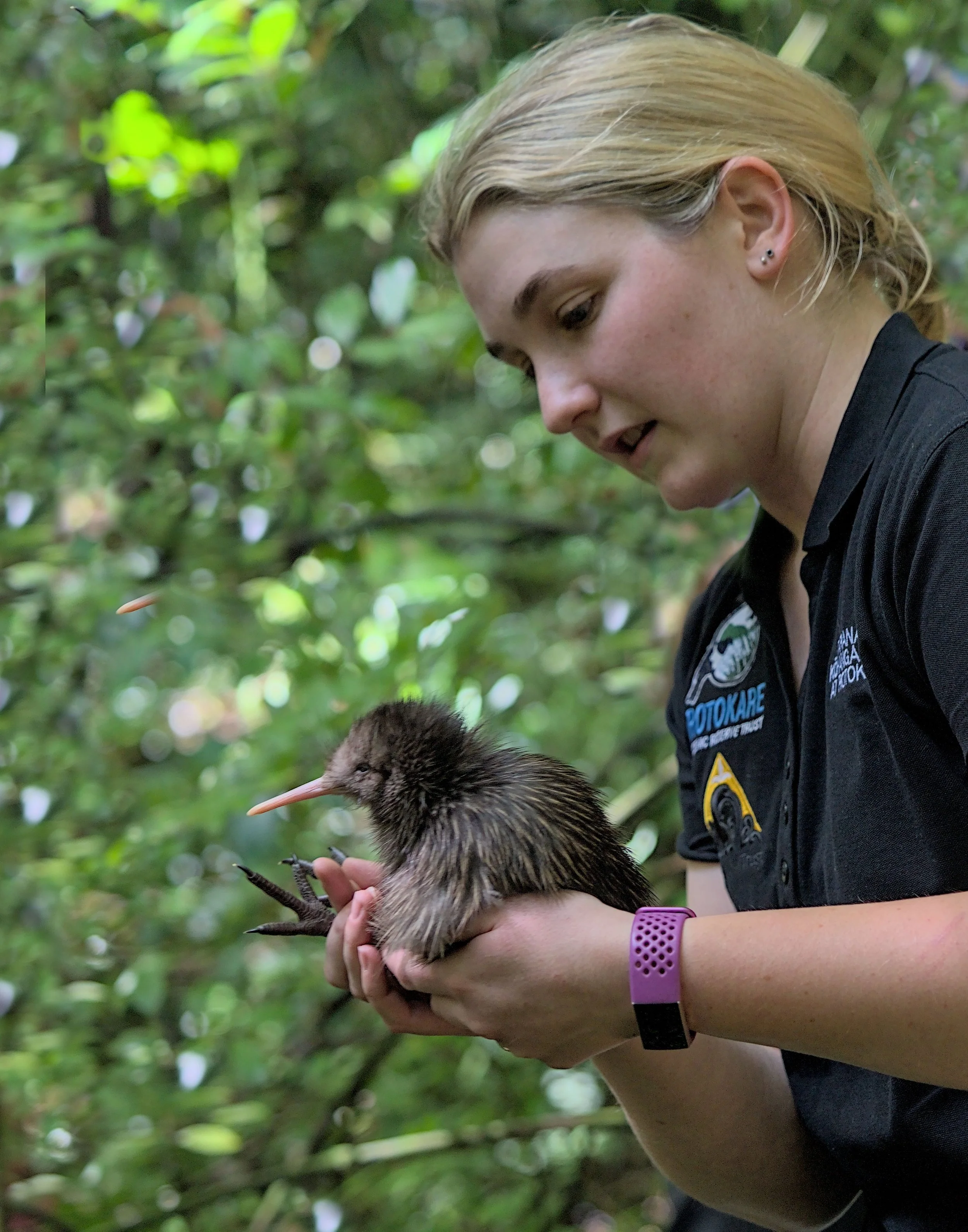
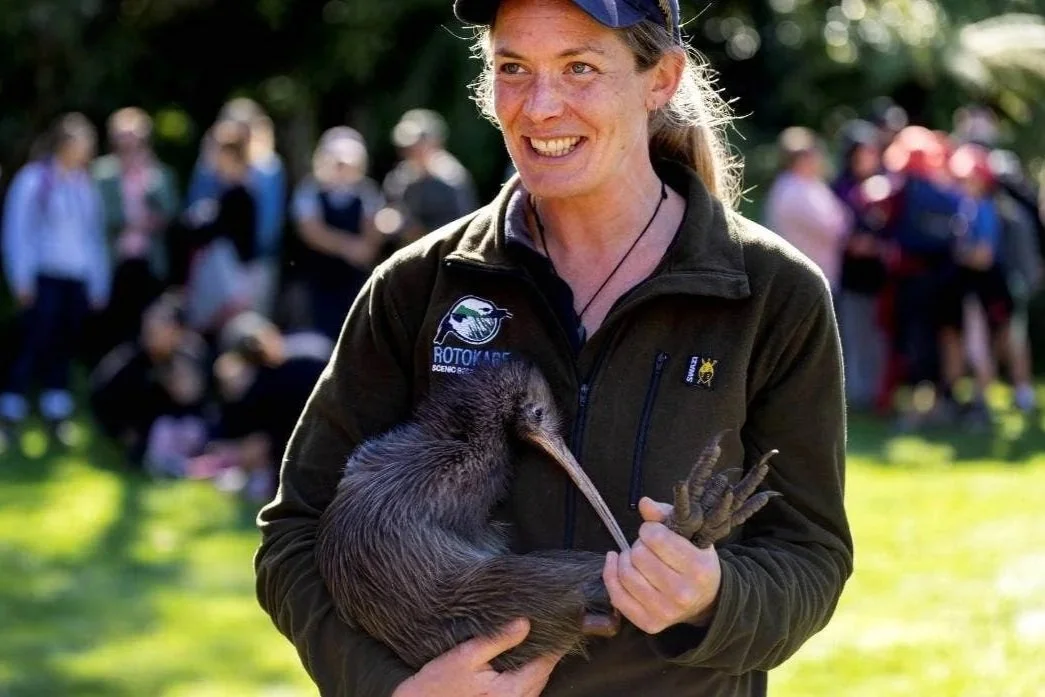
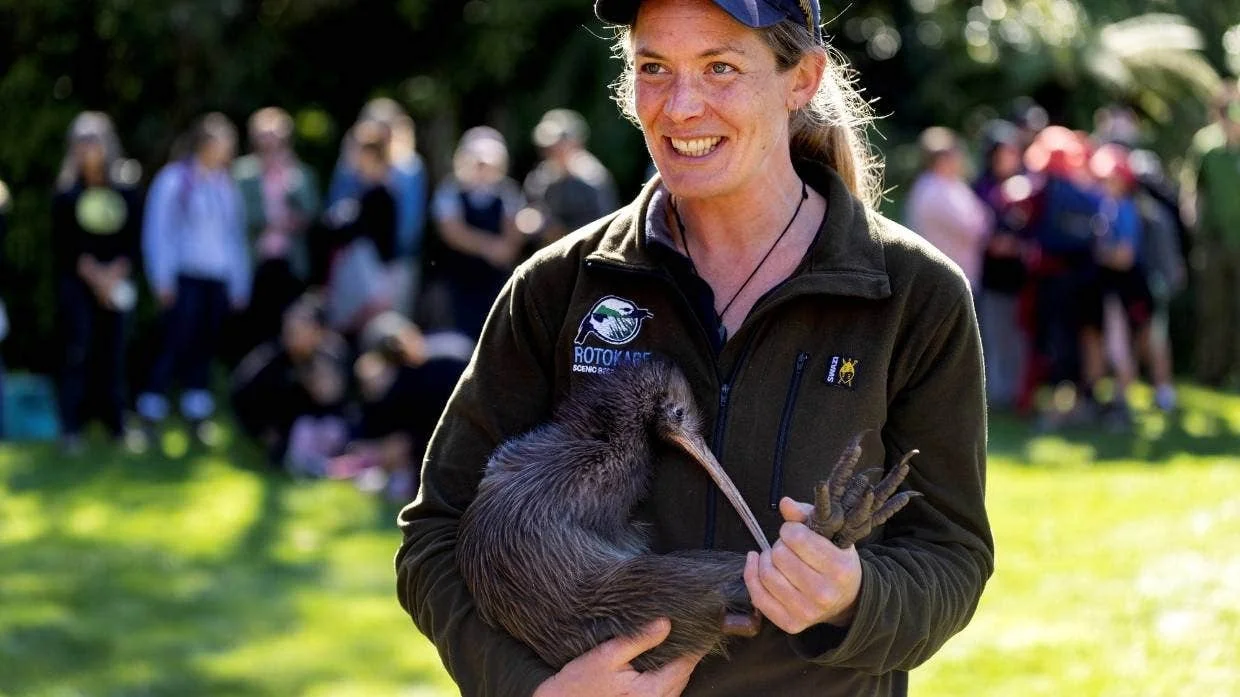
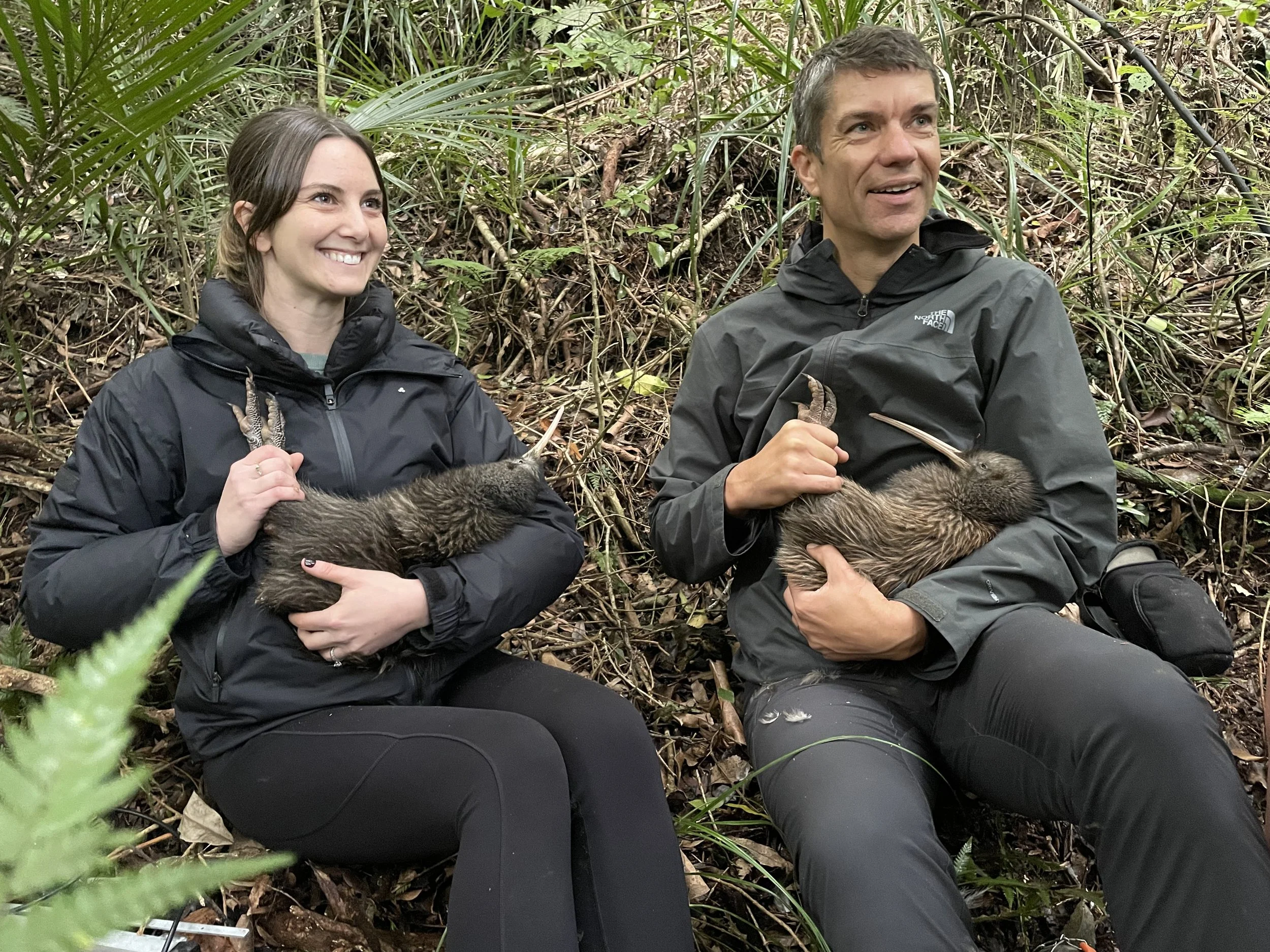
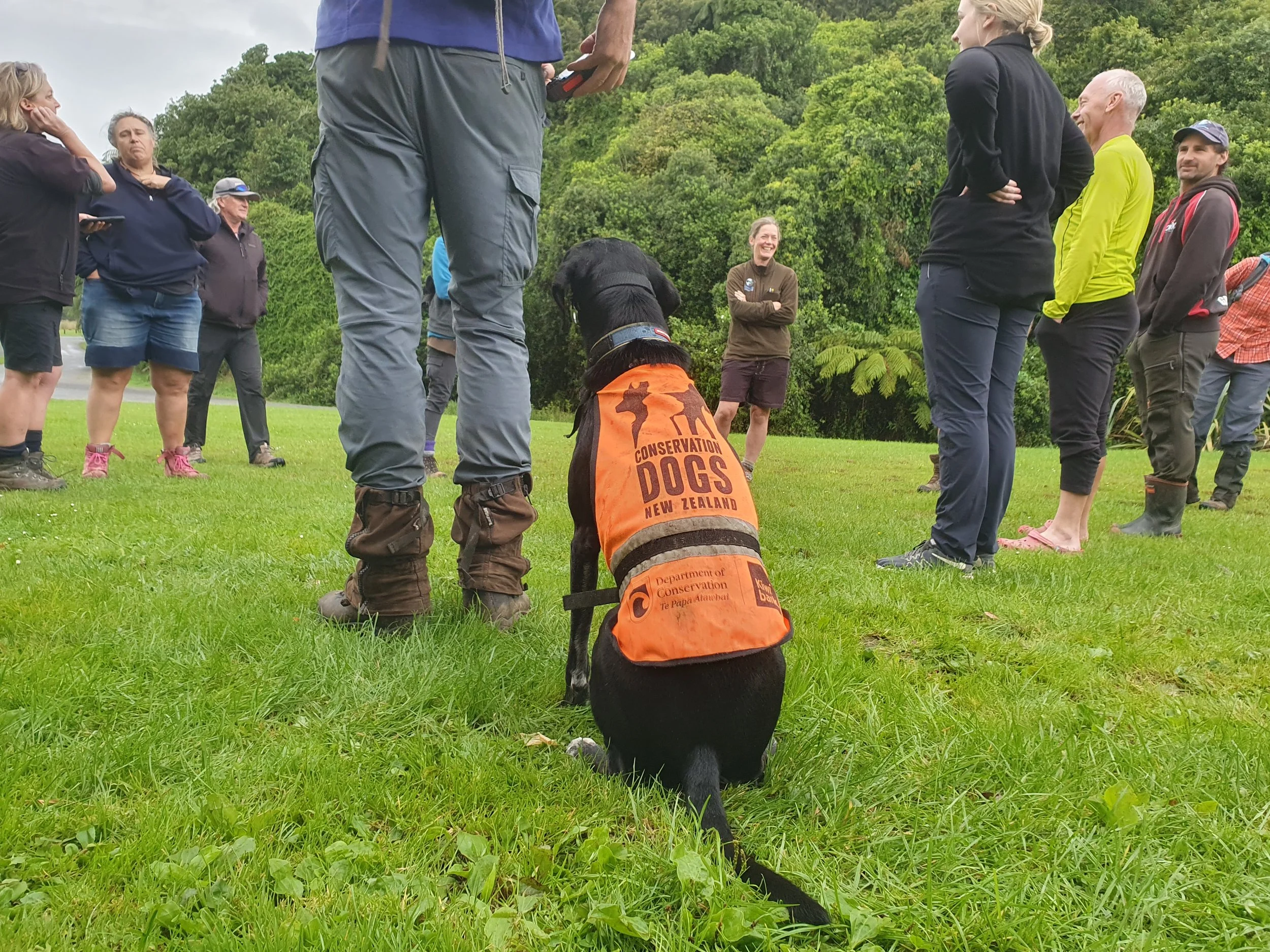
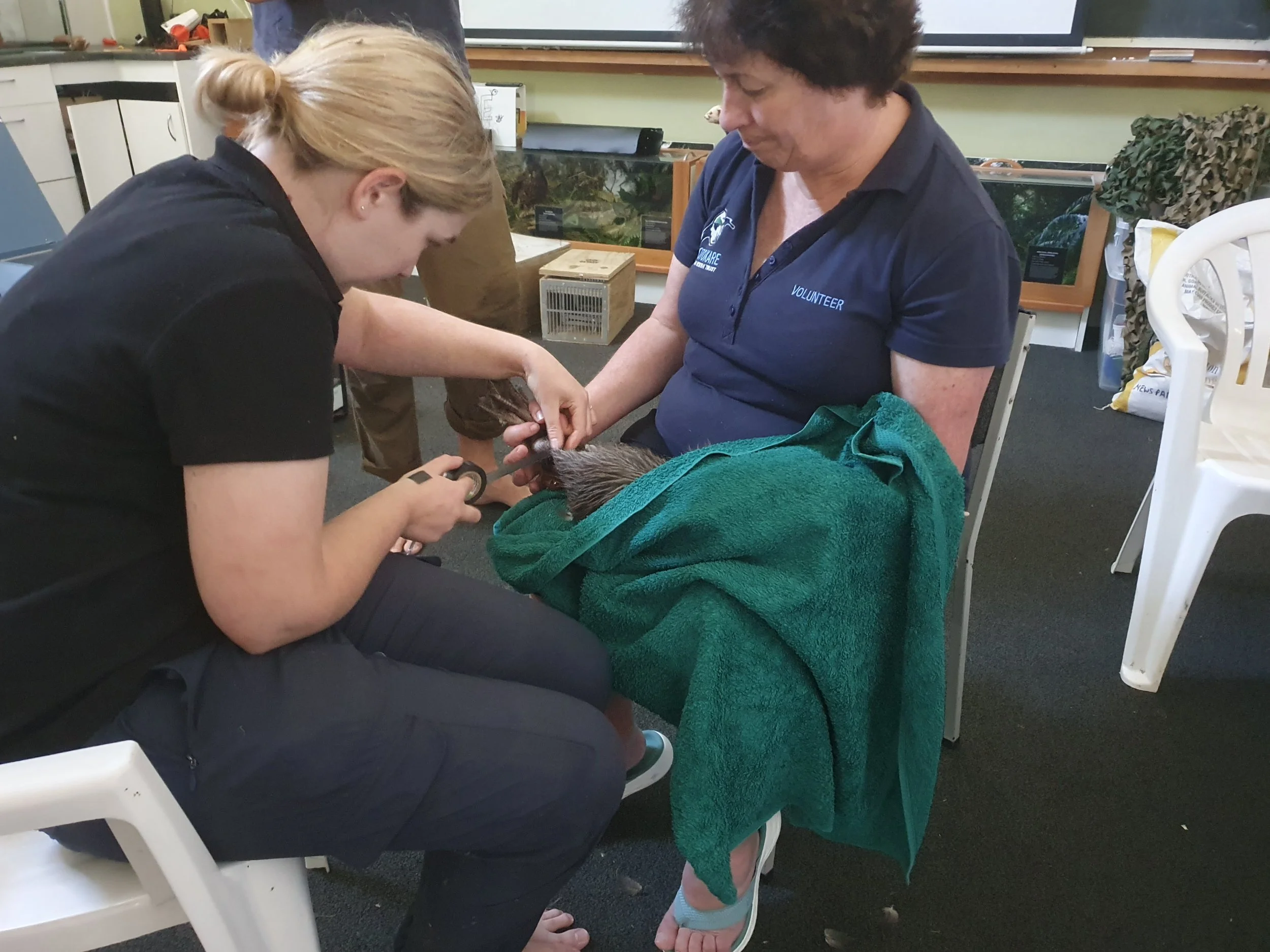
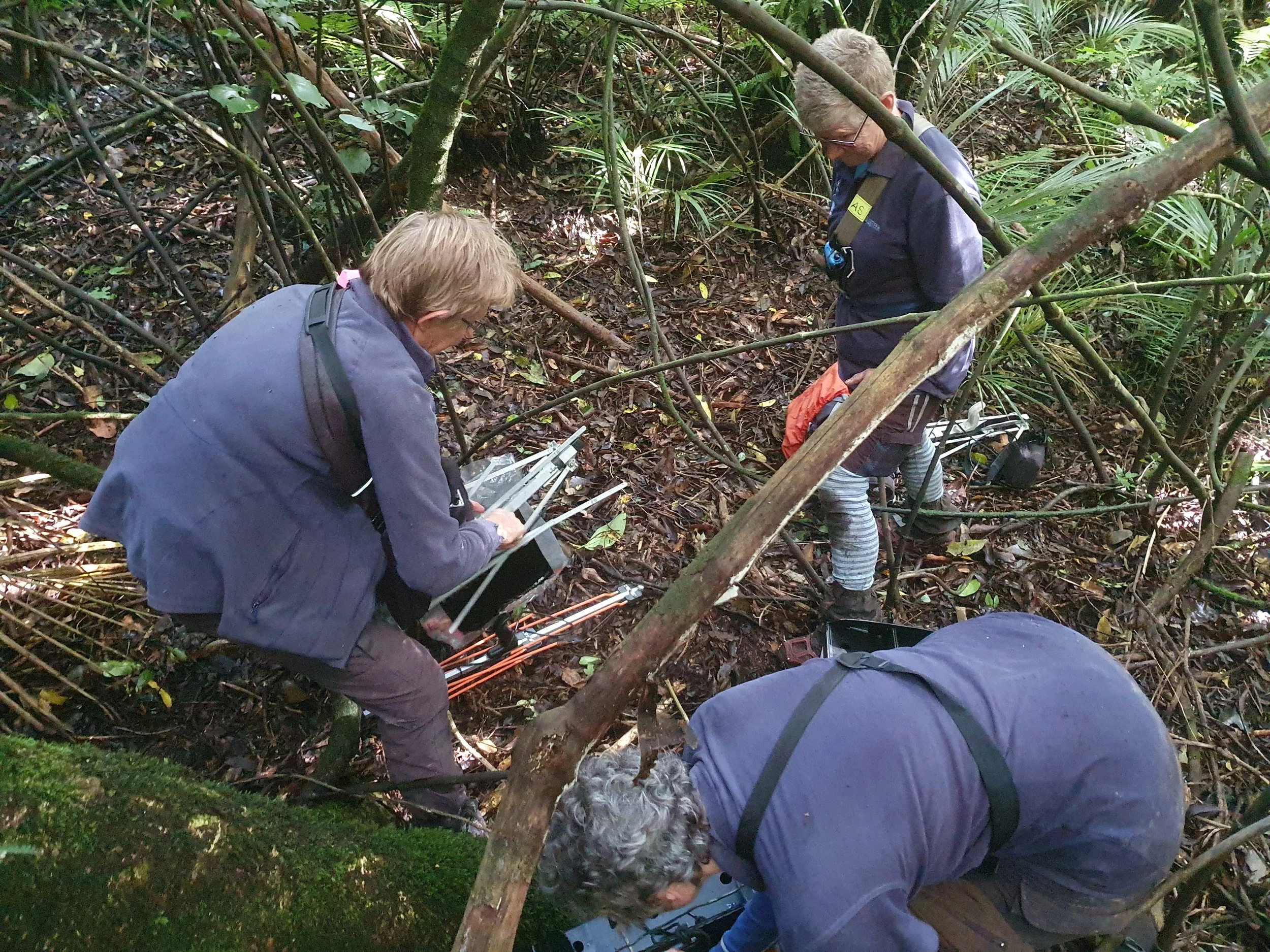
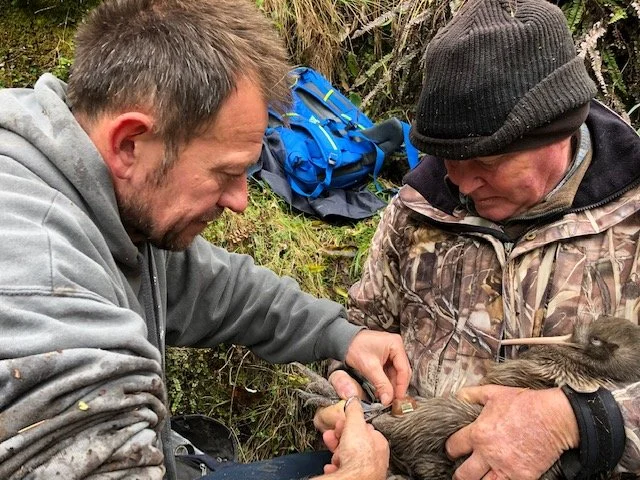
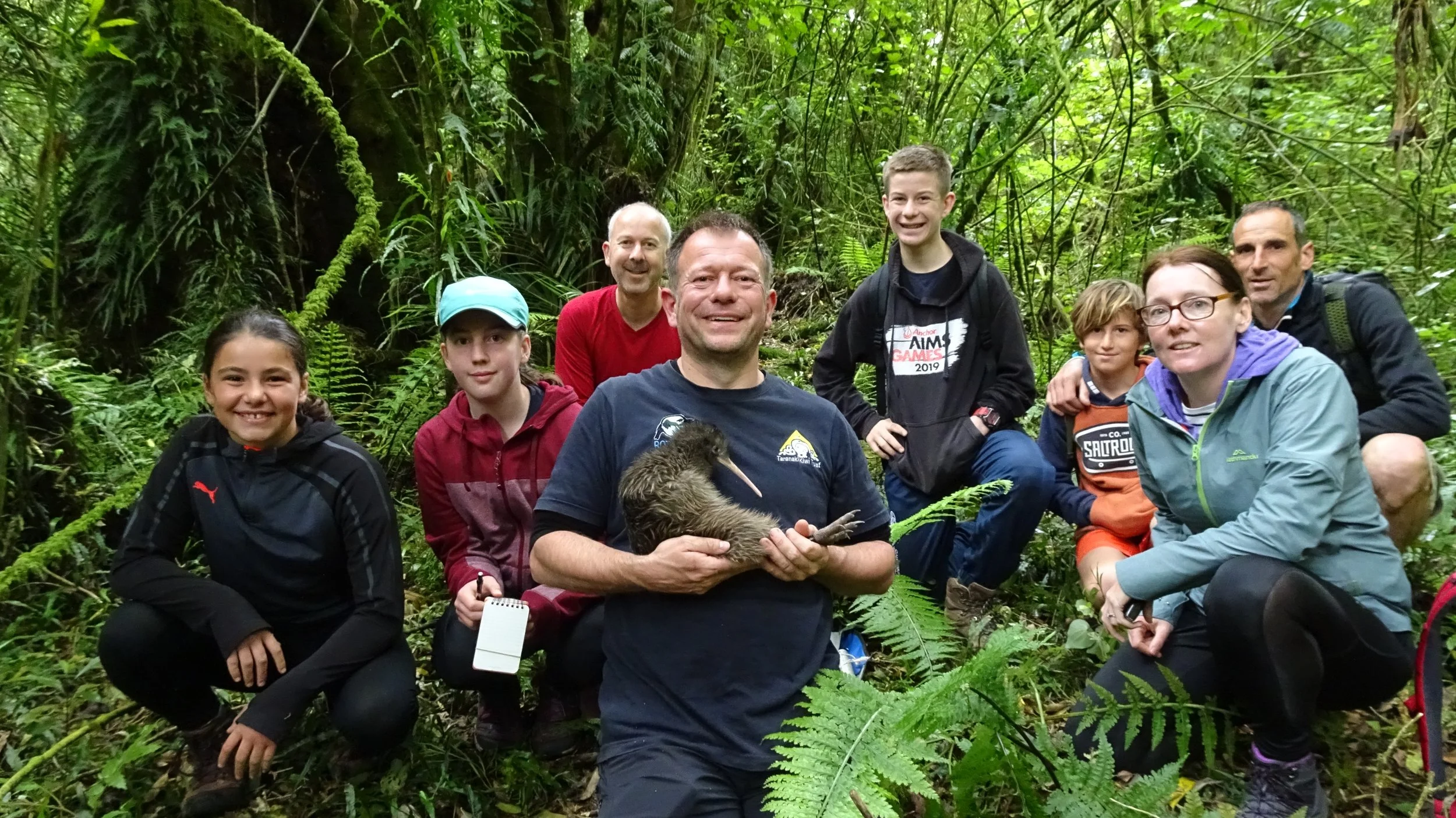
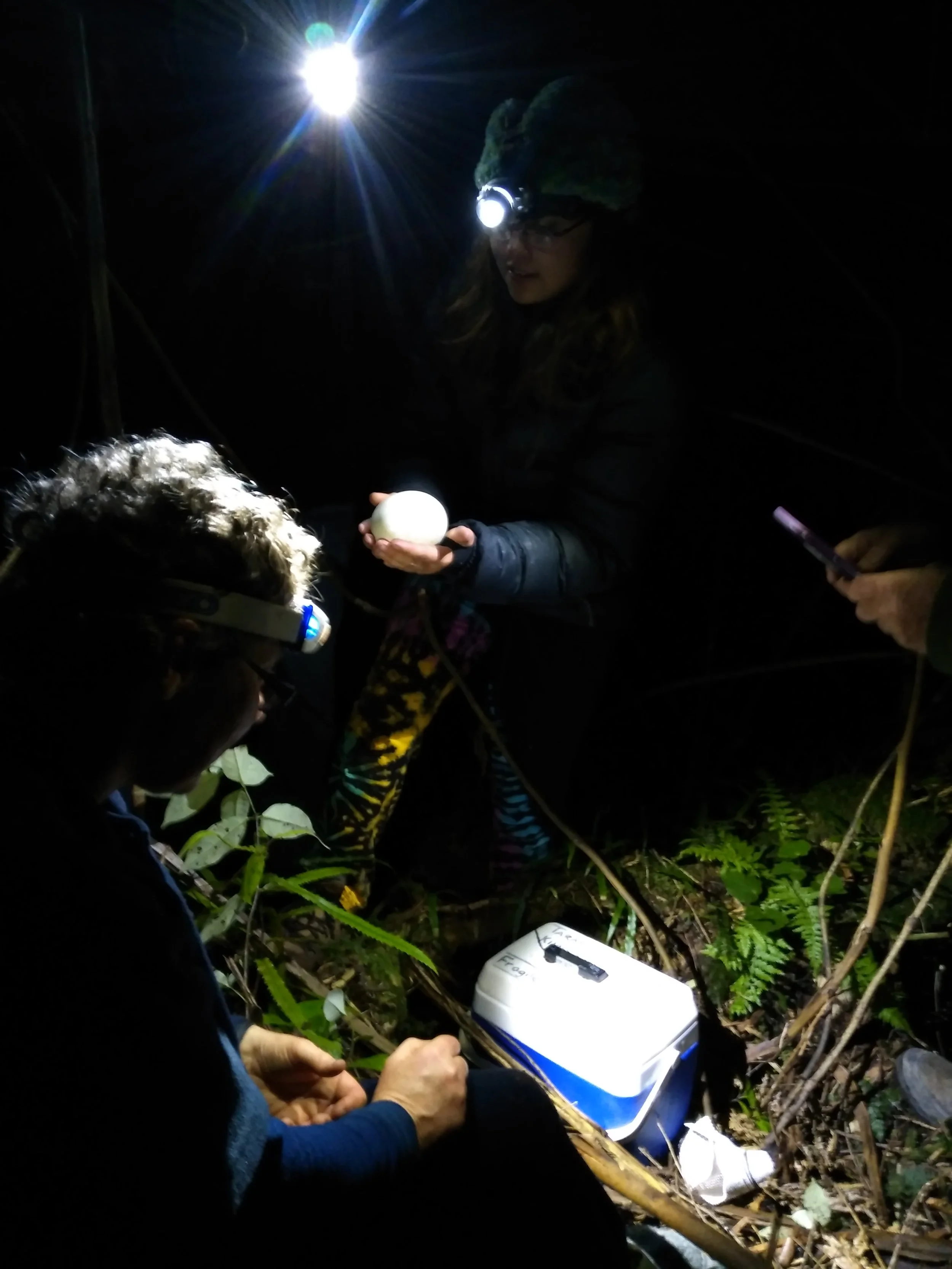
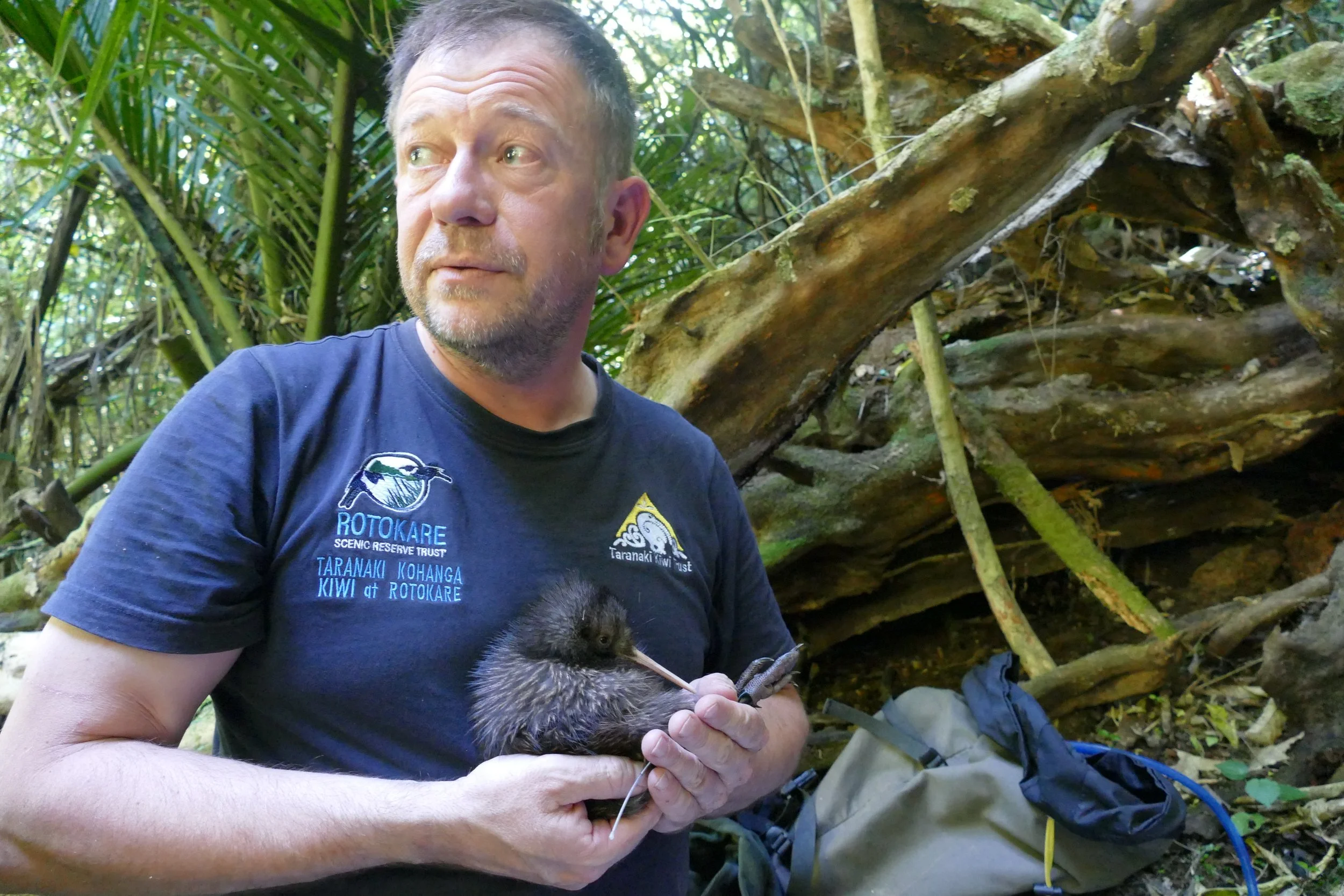
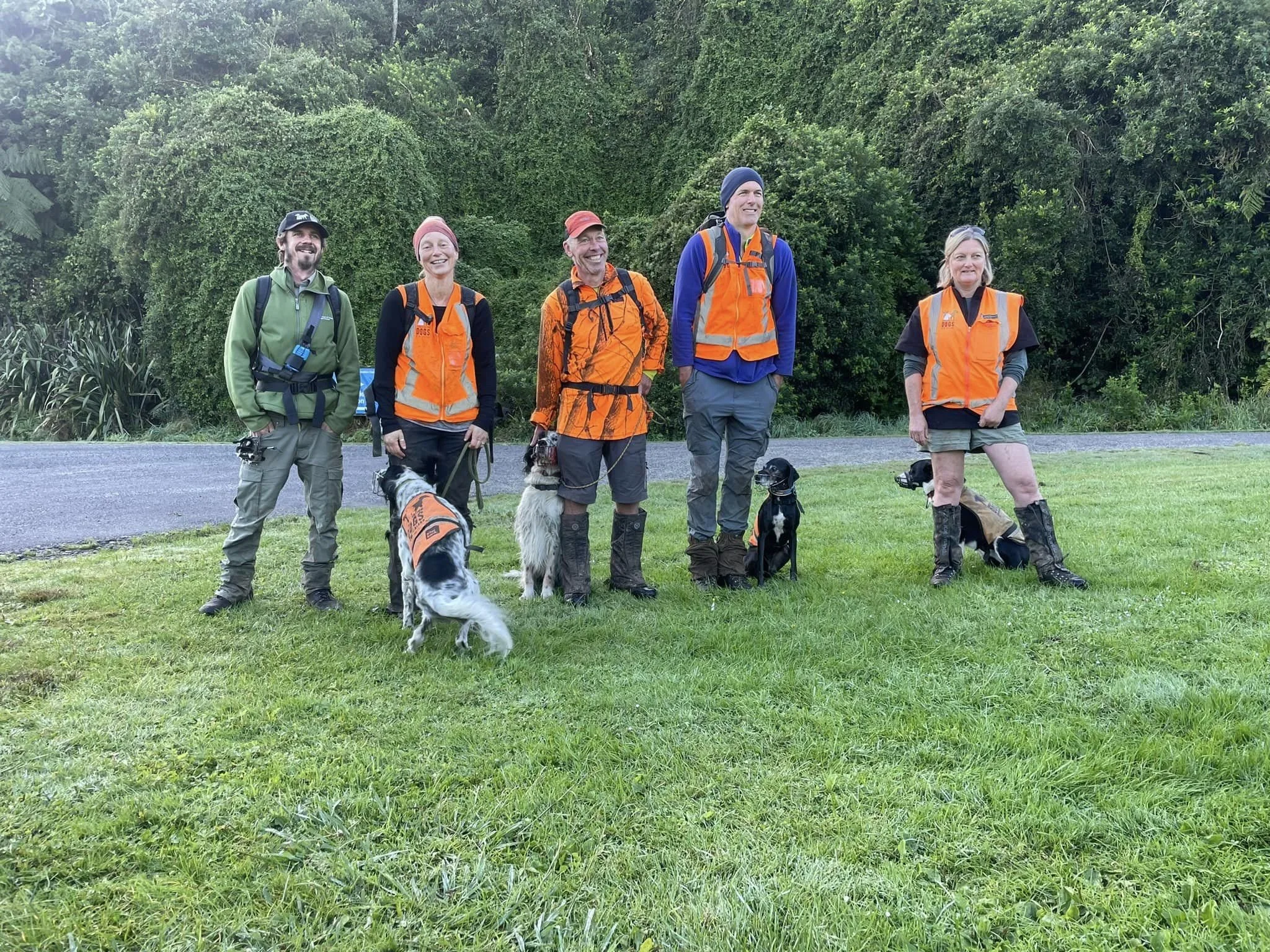
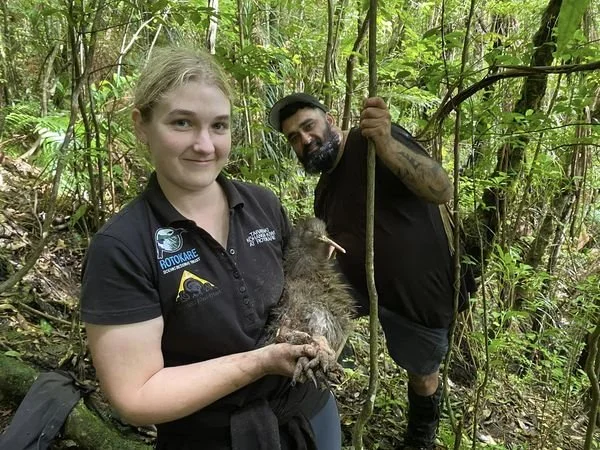
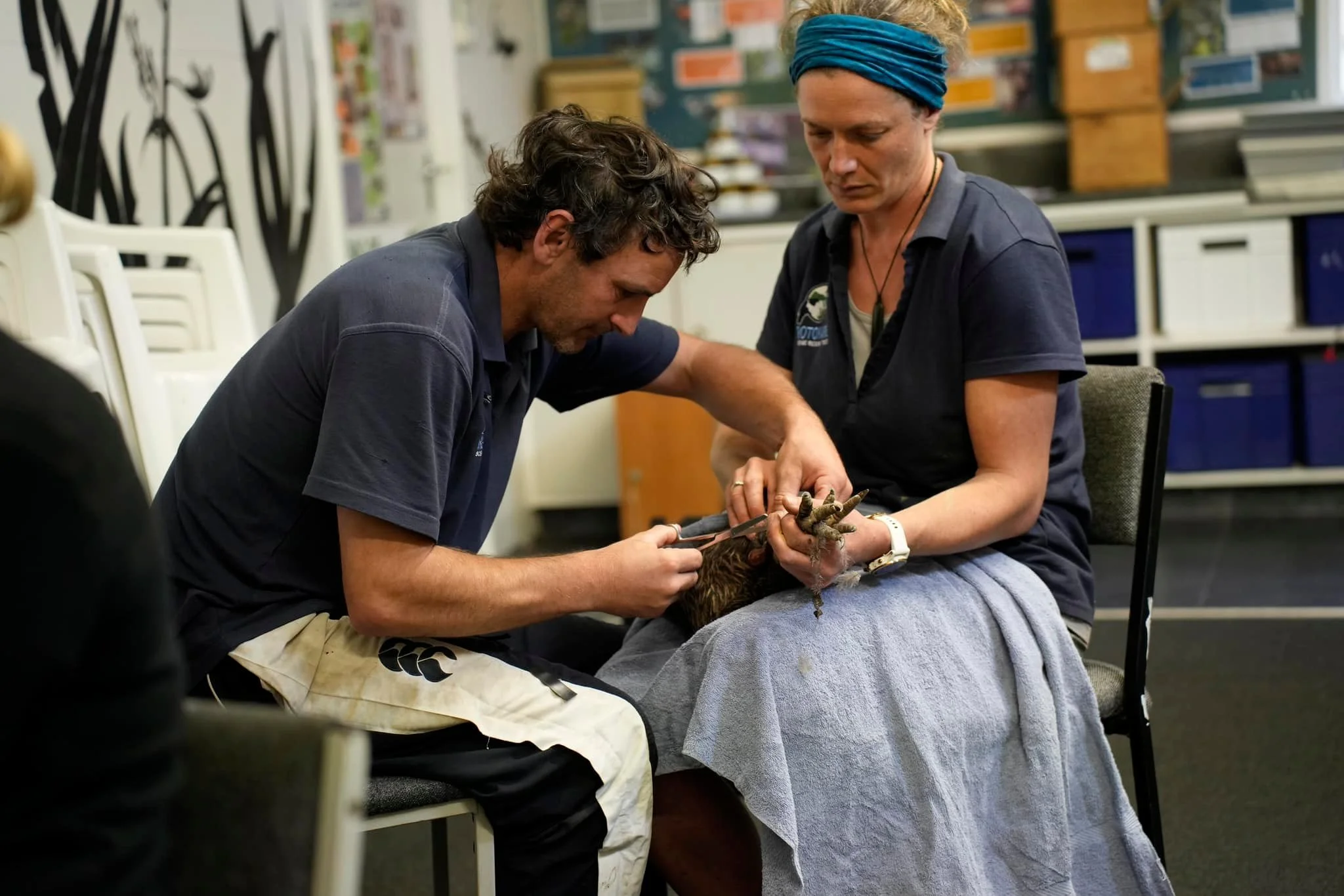
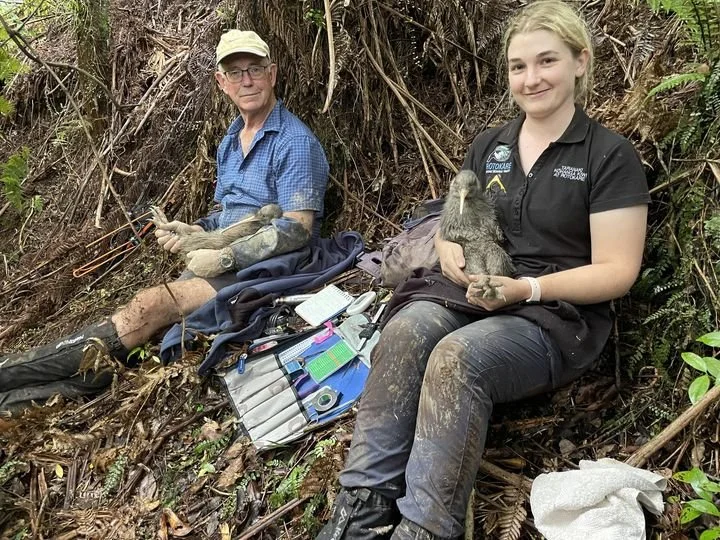
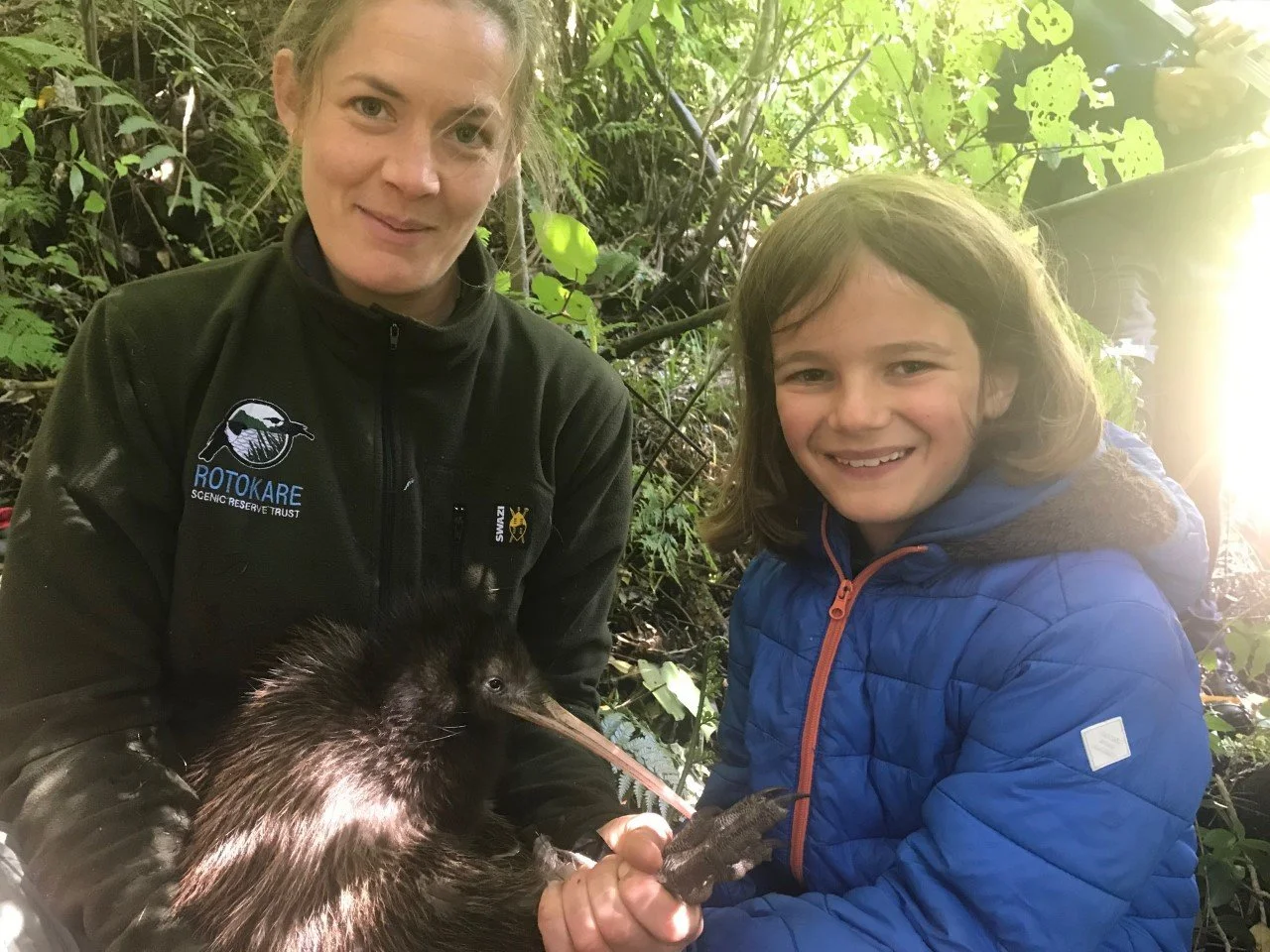
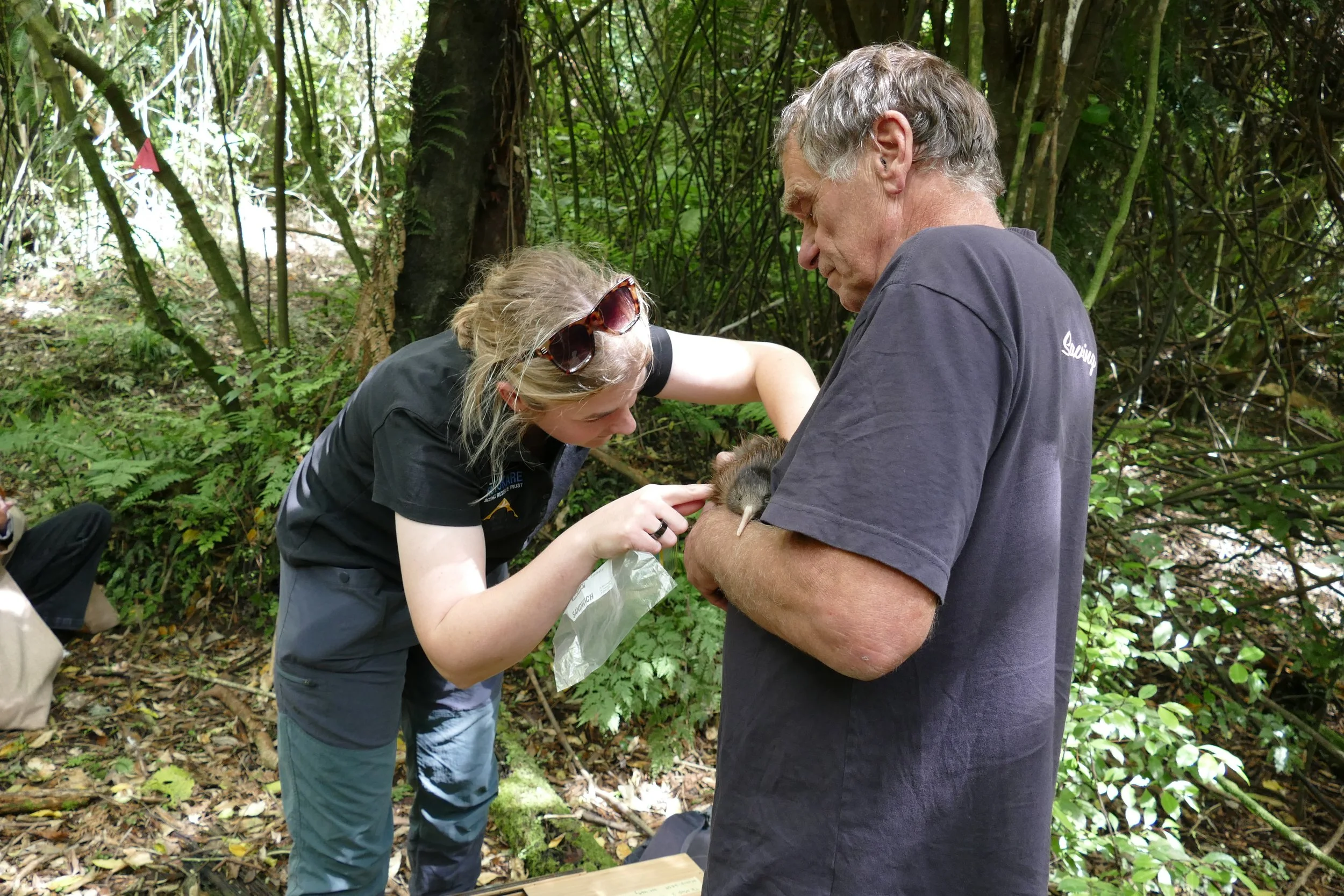
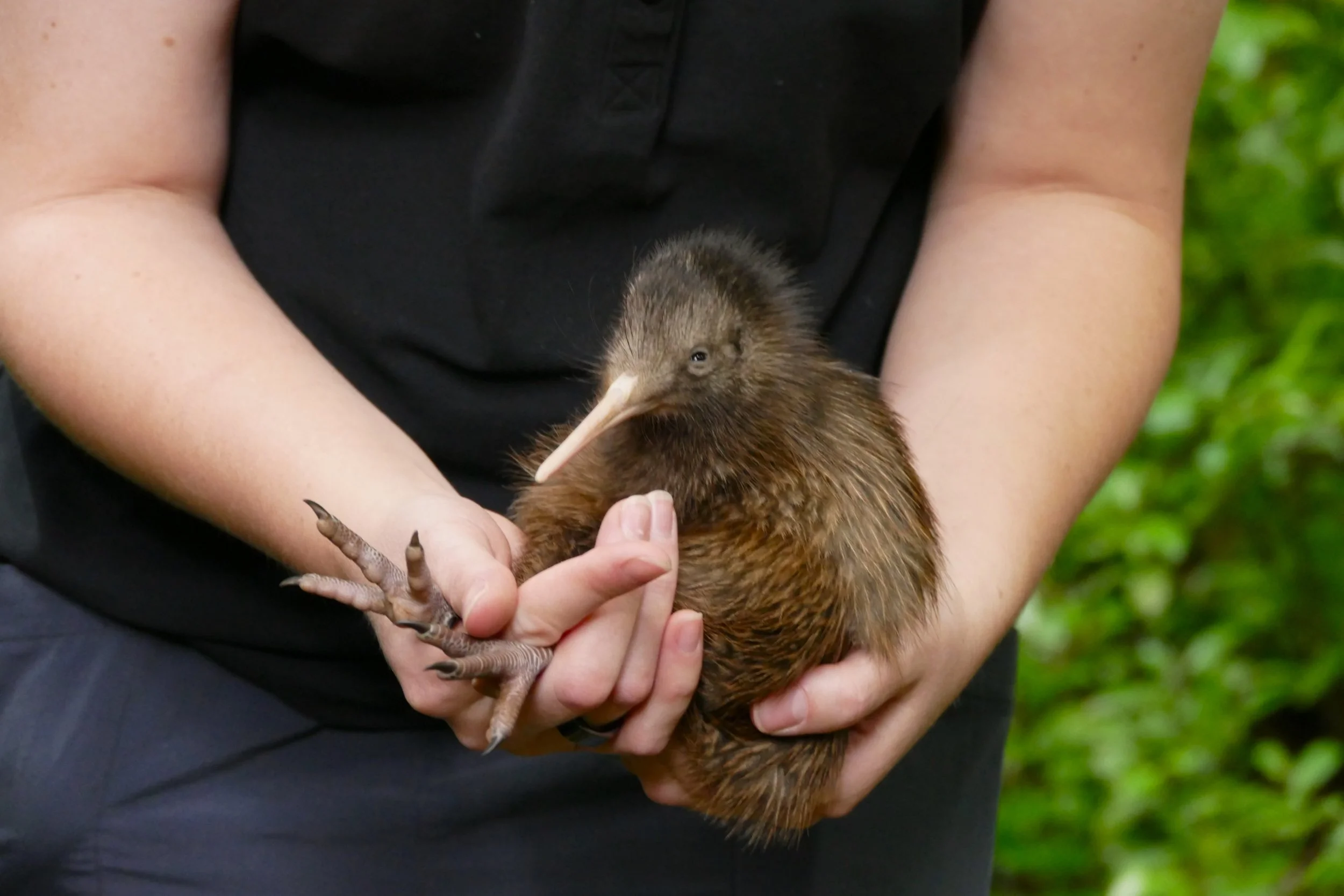
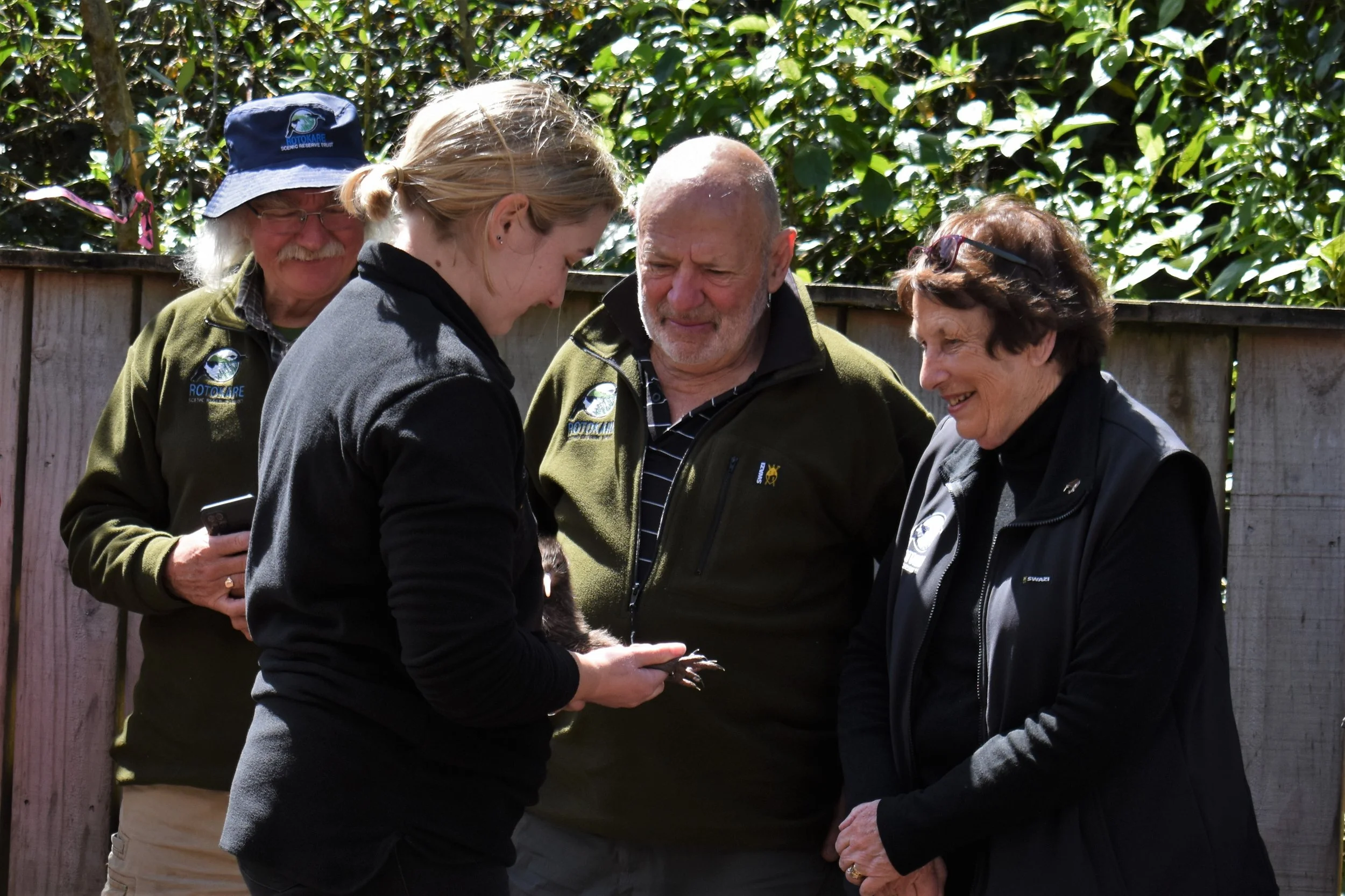
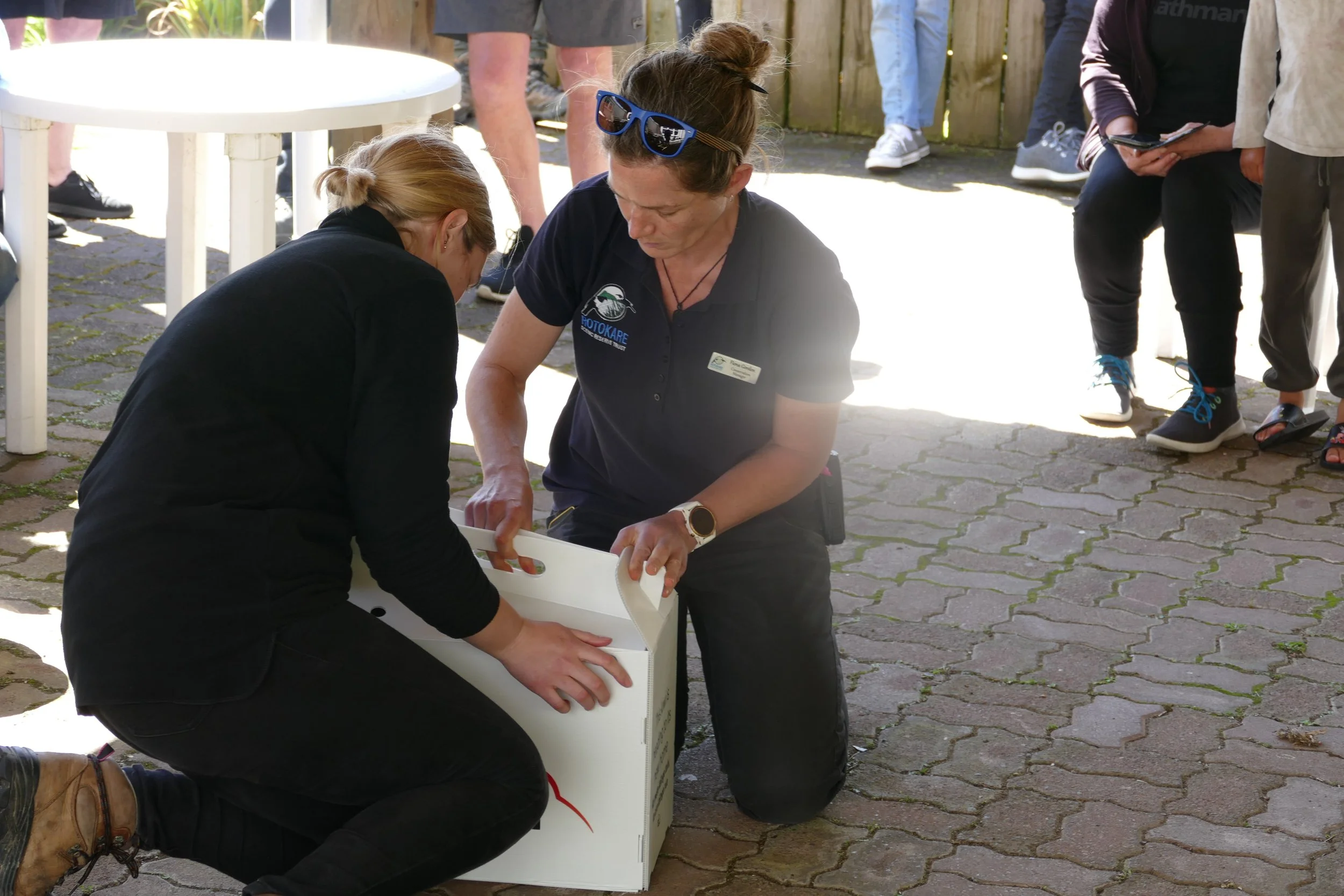
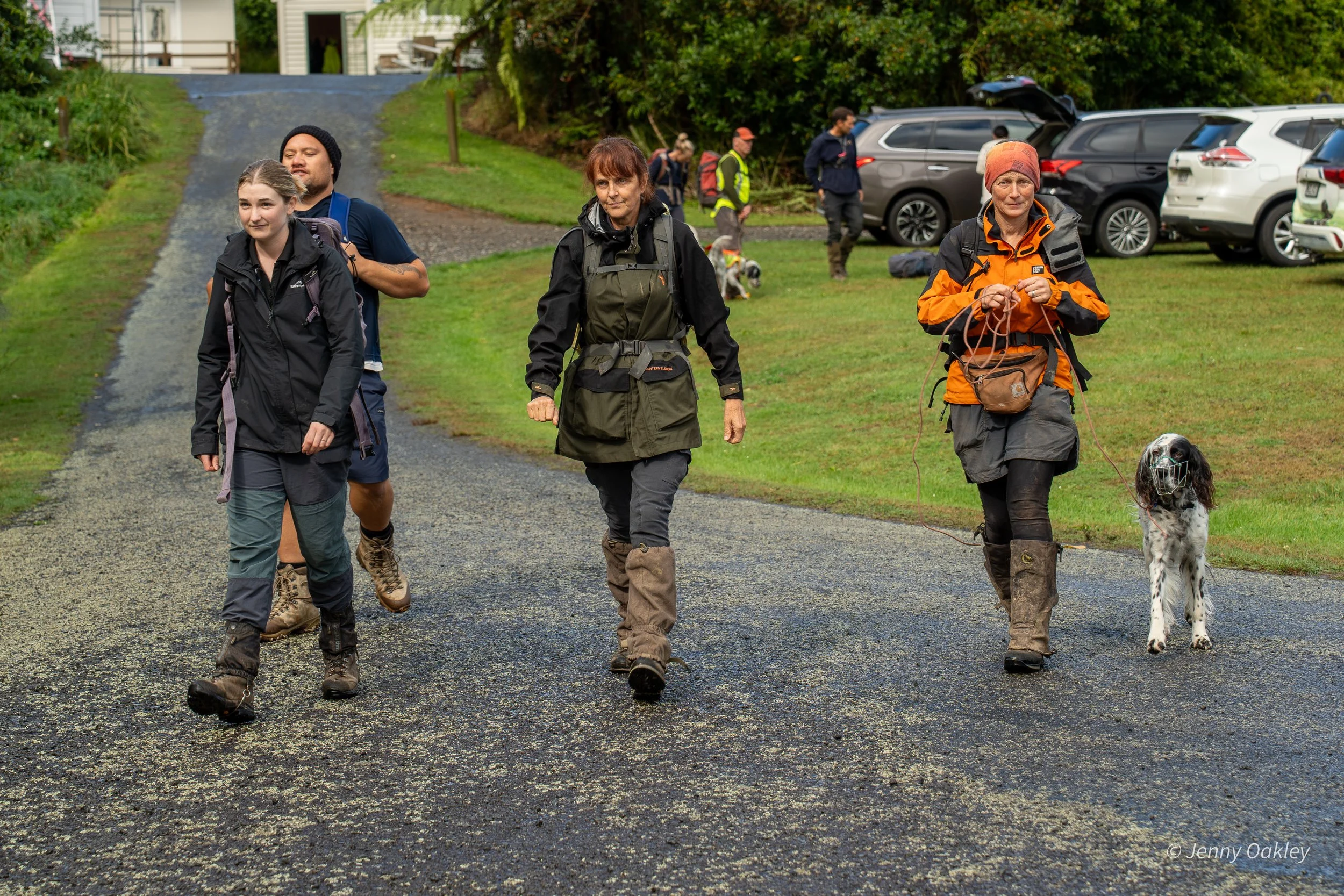
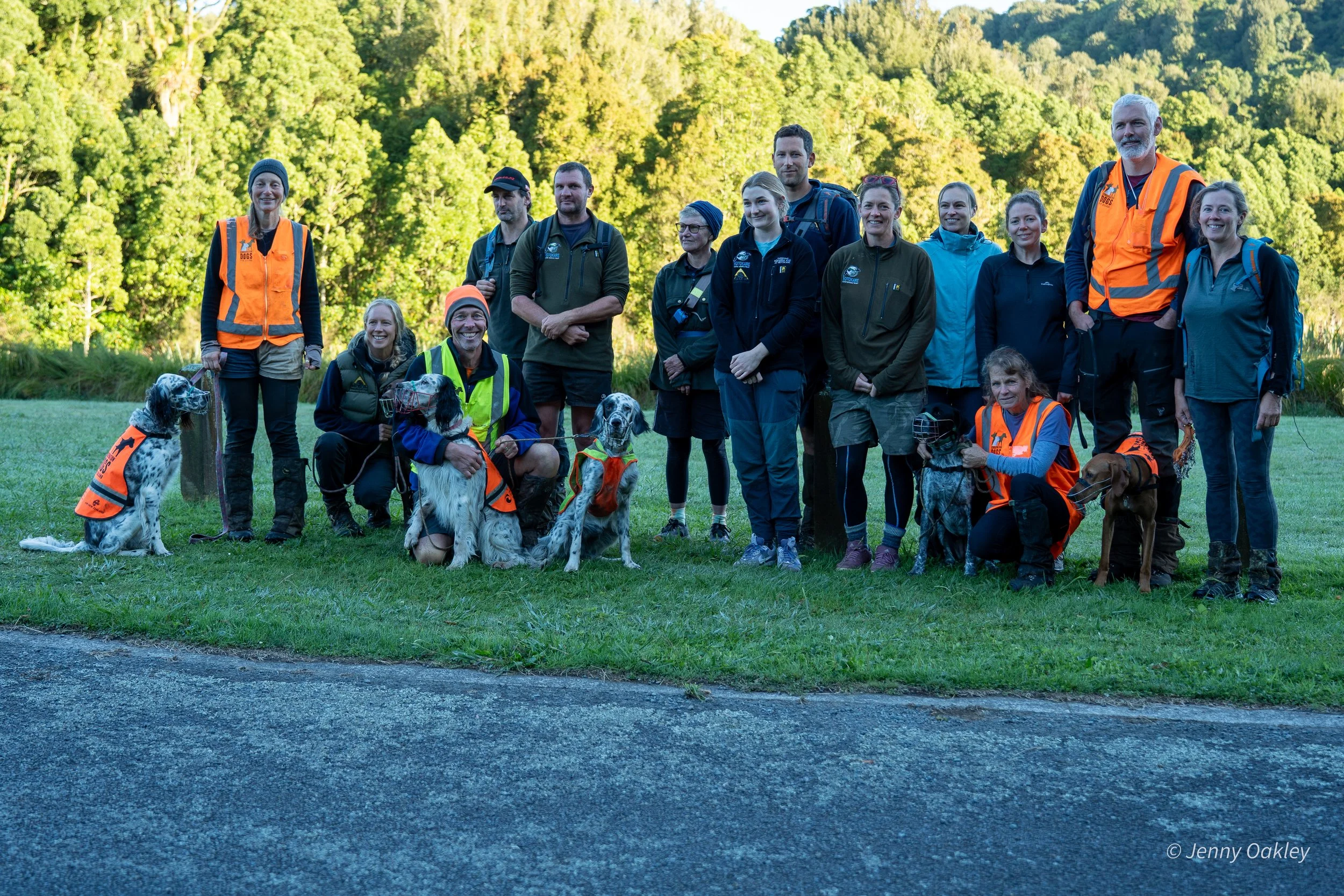
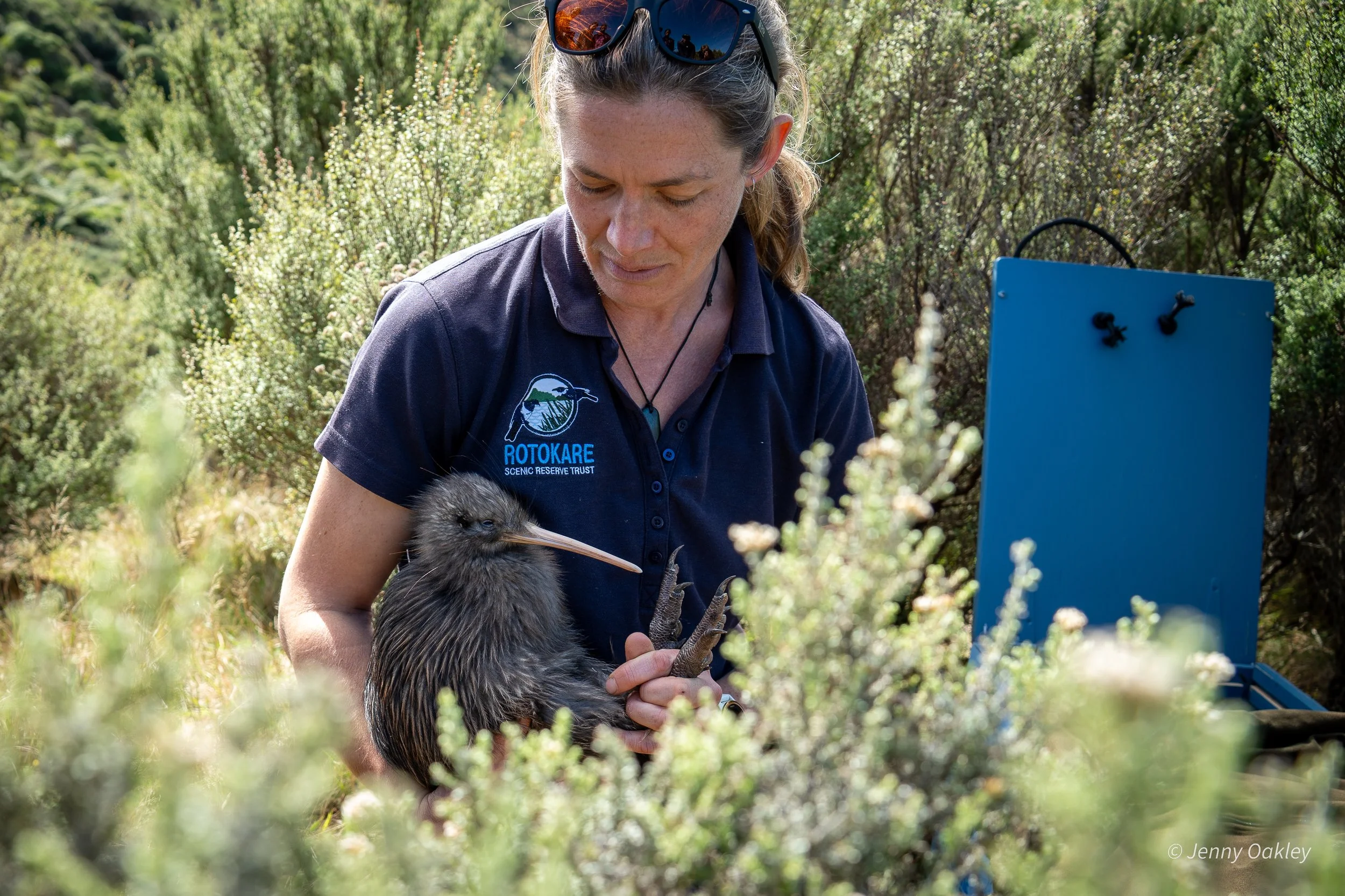
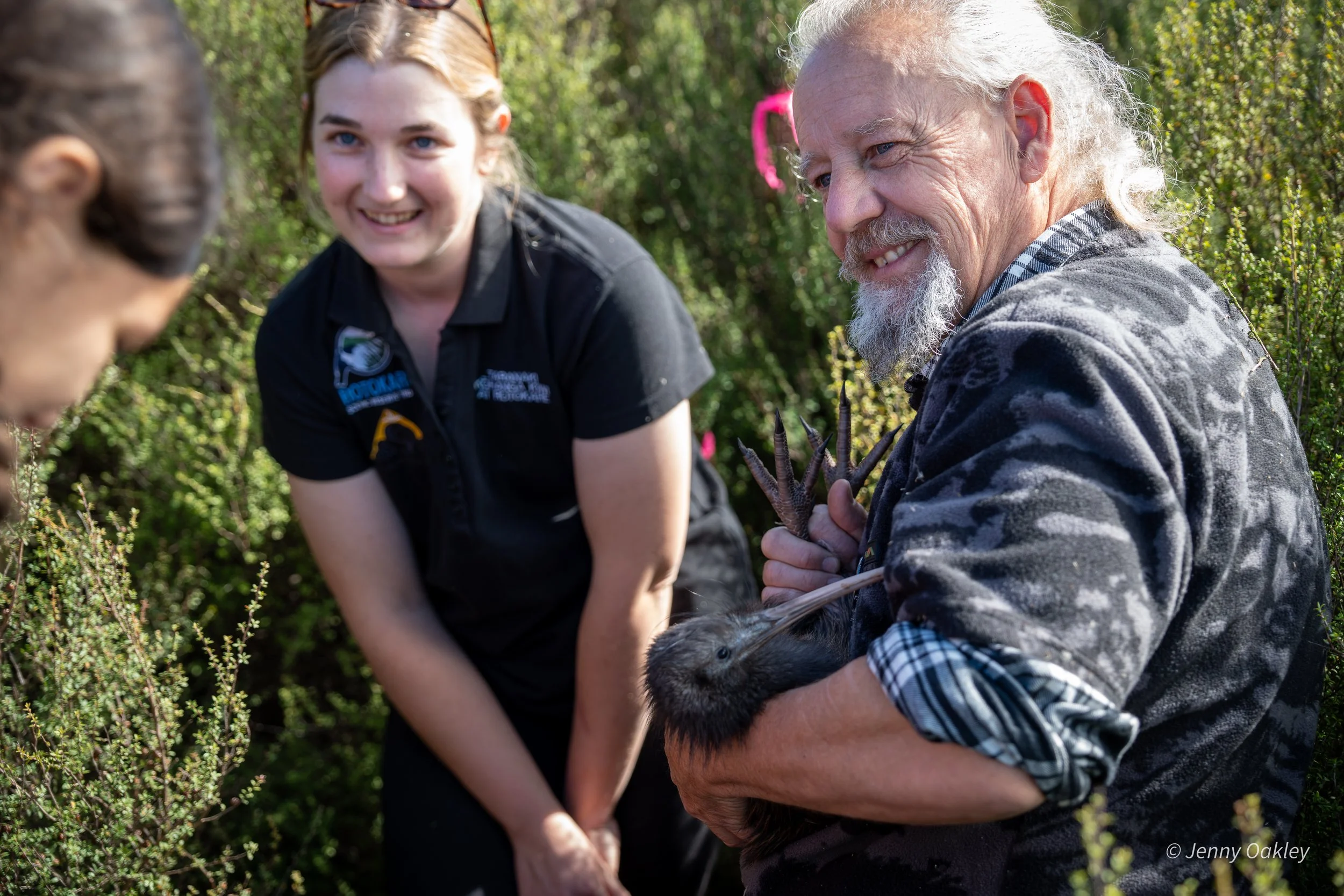
A group of around twenty staff and volunteers from both organisations and South Taranaki Forest and Bird are highly engaged in monitoring and caring for the birds at the Kōhanga. There are accredited kiwi handlers in the team, and the project is overseen by kiwi ranger Jess Fancy. The partnership works constantly to upskill their team, develop methodology and standard operating procedures, and the Kōhanga has proven to be a very effective way of breeding kiwi to increase populations elsewhere.
Why Do We Do This?
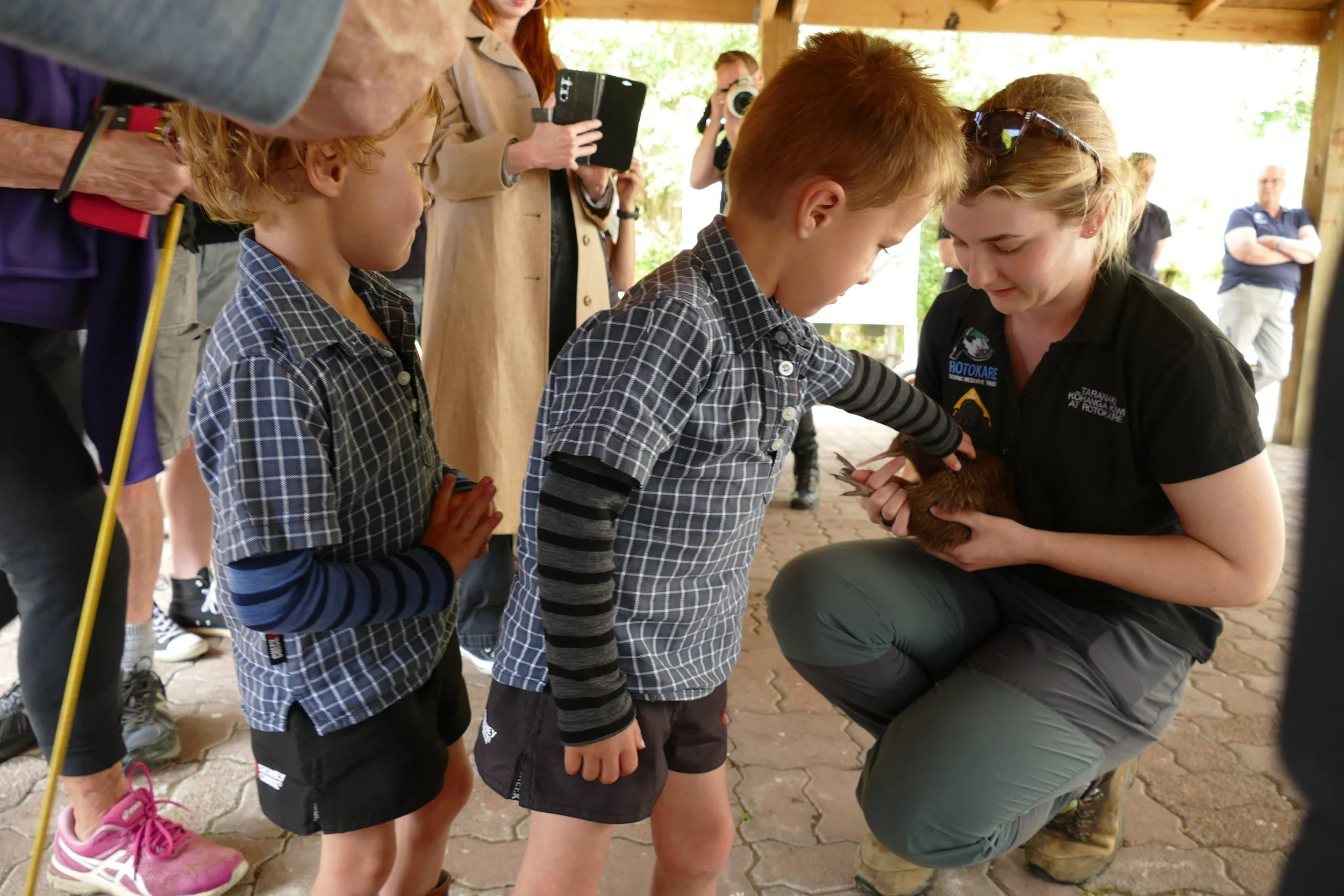
One goal of the project is to return a permanent breeding population of kiwi to Rotokare to not only contribute to kiwi survival but also make it possible for the public to experience the success first-hand. Creating a space in Taranaki where our community can come and see kiwi in a safe and natural environment is something the trust has been working towards for a long time. Rotokare is now at the point that it is not only a reality to see kiwi inside our predator-proof fence, but kiwi are so common that they have even started to take over our offices!
Kiwi calls are heard at night in our 24/7 publicly accessible sanctuary. The twilight chorus gives way to the cacophony of nocturnal chattering from our kiwi pairs, young juveniles and the telltale calls of ruru. It is a hauntingly beautiful chorus.
We offer guided night tours periodically throughout the year; coming along to these is a great way of learning more about kiwi and other nocturnal creatures.



Partners